Art History | Booknibs
The Art and Science of Wajima-nuri: How Humidity Hardens Urushi Lacquer

Discover the hidden science behind Wajima lacquer, a traditional Japanese craft that turns a poisonous tree sap into a nearly indestructible surface. You will learn how the chemistry of polymerization works and why humidity is the essential engine that hardens this liquid into a glass-smooth shield. This nib explains the unique role of biological enzymes and local geological secrets, like fossilized earth, that help artisans create finishings more durable than modern plastics. By exploring the delicate balance between climate and craft, you will gain a new appreciation for how ancient materials outperform today's synthetic coatings.
The Squeeze Tube: How a Simple Invention Created Impressionism and Changed Art Forever
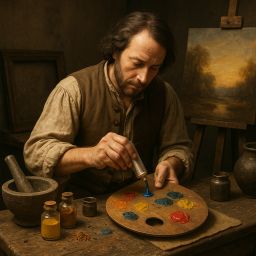
This nib explores how a simple piece of metal packaging sparked a revolution in modern art. You will discover how the transition from messy animal-bladder storage to the portable tin tube freed painters from their dark studios, allowing them to work directly in nature. By learning about the logistical struggles of masters like Monet and Renoir, you will see how this invention paved the way for the vibrant colors and quick brushstrokes of Impressionism. This nib highlights the fascinating link between technical tools and creative breakthroughs, showing how a humble container for oil paint eventually changed the way we see the world and even led to the invention of the toothpaste tube.
The Silver Swan: Engineering an 18th-Century Clockwork Marvel
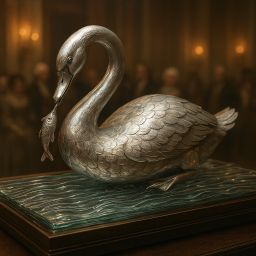
In this nib, you will travel back to the 18th-century London showroom of James Cox to witness the birth of the Silver Swan. You will discover how master inventor John Joseph Merlin used over 2,000 mechanical parts to transform cold metal into a creature with lifelike grace. By exploring the swan’s internal labyrinth of brass gears and rotating glass rods, you will learn the secrets behind its famous "preening" motions and the clever visual tricks that simulate flowing water. This nib explains how 250-year-old engineering served as a vital precursor to modern robotics, proving that our drive to automate the world began long before the digital age. Most importantly, it reveals why this stunning marriage of art and physics continues to captivate audiences centuries later, offering a masterclass in craftsmanship that was truly built to last.
How Cataracts Changed Claude Monet’s Sight and Reshaped Impressionism
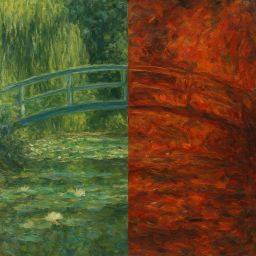
This nib explores the fascinating intersection of biology and fine art through the lens of Claude Monet’s failing eyesight. You will discover how a medical condition called nuclear sclerosis acted as a physical filter, stripping the blues from Monet’s world and forcing his iconic palette into shades of muddy red and fiery orange. The nib explains the mechanics of how the human eye ages and detail the high-stakes 1923 surgery that may have granted the artist a rare, "superhuman" ability to see ultraviolet light. By tracing this shift from serene gardens to chaotic abstractions, you will learn how physical limitations can spark creative breakthroughs and why our perception of reality is often just a byproduct of our own biology.
Blue: Its History, Chemistry, and Cultural Impact
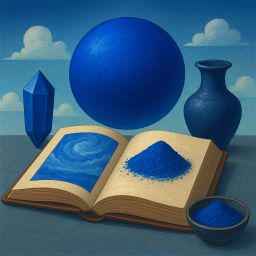
This nib explores why blue was the "missing" color for most of human history and how it transformed from a rare mystery into a sacred global treasure. You will learn how ancient Egyptians pioneered the world-first synthetic pigment and why Renaissance artists valued ground lapis lazuli more than gold. The nib explains the clever chemistry the Maya used to create a "super-color" that survives heat and acid, along with the psychological reasons our brains link blue to the infinite and the divine. By tracing this journey from Afghan caves to Ming porcelain, you will see how the struggle to capture an elusive hue shaped modern trade, art, and even the way we describe the world around us.
The Secret Meaning of Persian Rugs: Decoding Symbols, Design, and the Science of Dye

This nib reveals how to decode the hidden visual language of Persian carpets, transforming them from simple floor coverings into complex historical records. You will learn to identify the "Garden" layout and its symbolic water features, recognize animal icons that represent royalty or protection, and understand the chemistry behind natural dyes like madder root and indigo. By spotting abrash - intentional color shifts and human errors - you will gain a new appreciation for the authenticity of hand-knotted art. Mastering these cues allows you to trace ancient migration routes and spiritual beliefs through wool and silk, turning every rug into a portable map of a lost paradise.
The Art of Light, How Vermeer Used Optics to Change Painting Forever
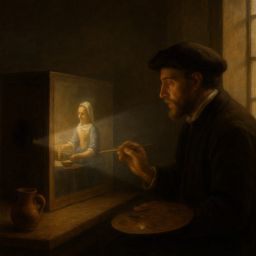
Move beyond the myth of the lone genius and discover how Johannes Vermeer used cutting-edge technology to redefine artistic realism. By mastering the camera obscura, an early optical device that projects real-world images, Vermeer captured light with unmatched precision. This book reveals how you can apply his methods to your own creative and analytical pursuits. You will learn to bypass the brain’s tendency to simplify reality, leverage mechanical tools to sharpen your perception, and build systems that enhance your natural talents. Discover how to stop seeing what you expect to see and start mapping the world as it truly is.
Engineer of Elegance: How Physics and Structure Shaped Ancient Sculpture
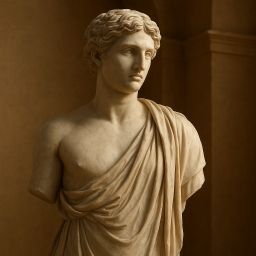
Ancient masterpieces like the Venus de Milo are more than just art; they are triumphs of structural engineering. This guide reveals the hidden physics that allowed fragile marble to survive for two millennia. You will learn how sculptors used "disguised" reinforcements, such as tree stumps and thick hairstyles, to overcome stone's tendency to snap under tension. By the end, you will understand how these artists balanced centers of gravity and used anatomy to prevent collapse. It is a fascinating look at how ancient beauty was often a clever safety measure designed to defy gravity and time.
Ghosts on the Canvas: Why Artists Paint Over Their Mistakes and How to Spot Them
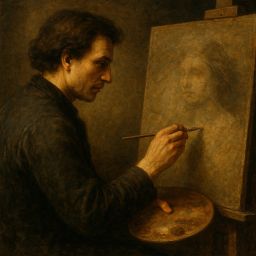
Masterpieces often look like products of effortless genius, but history’s greatest artists actually struggled with the same creative doubts we face today. This exploration of *pentimento* - the Italian word for "repentance" - reveals how oil paint becomes transparent over centuries, exposing the "ghost" images of mistakes and changes hidden beneath the surface. By reading this, you will learn: - How the chemistry of lead and oil reveals an artist’s secret edits after hundreds of years. - How to use modern tools like X-rays to distinguish a genuine masterpiece from a forgey by finding "logical mistakes." - Why trial and error is a vital part of the creative process rather than a sign of failure. This insight transforms how you view classic art, showing that even Rembrandt and Vermeer relied on "rough drafts." Understanding pentimento helps you embrace your own mistakes as necessary layers that build toward a final, polished success. Knowing that perfection is a myth allows you to work with more confidence and persistence.