Creative Writing & Storytelling | Booknibs
Creative Writing & Storytelling
Explore focused learning nibs in Creative Writing & Storytelling on Booknibs.
The Power of Three: Why It Works in Comedy, Stories, and Everyday Speech

This nib reveals the psychological secret behind the "rule of three" and how it controls the way we learn, laugh, and remember. You will discover why the human brain is a pattern-matching machine that craves a specific rhythm to feel satisfied. By mastering the setup, reinforcement, and payoff model, you will gain a practical "cheat code" to improve your writing and sharpen your storytelling. This nib explains how to use these three beats to build tension and deliver impactful points, helping you communicate more persuasively in any professional or social setting.
Mastering the Art of Campfire Storytelling: How to Tell a Great Tale Under the Stars

Master the timeless art of campfire storytelling and become the undisputed highlight of any outdoor excursion. This guide teaches you how to transform a simple gathering into an immersive, theatrical experience. You will learn to read your audience to select the perfect narrative, harness silence and pacing to build heart-pounding suspense, and employ body language to amplify your message. Beyond just scaring friends, you will discover how to use humor and ancient folktales to forge deep social bonds. These techniques provide the tools to command attention, master atmospheric delivery, and create lasting memories around the flicker of the flames.
Entering the Character’s Mind: The Art of Free Indirect Speech

Master the art of "mind melding" with your characters by learning the secrets of free indirect discourse. This guide reveals how to blend a narrator’s objective voice with a character’s private feelings, allowing you to bridge the gap between third-person storytelling and first-person intimacy. You will learn how to: - Identify "judgmental" language and deictics - words like *now* or *here* - that signal a shift into a character’s perspective. - Cut out clunky "scaffolding" like *she thought* or *he felt* to create a seamless, immersive experience. - Use biased descriptions to reveal a character's flaws and self-delusions without flatly stating them. By mastering this "invisible bridge," you can build deeper empathy and write prose that feels like a shared secret between the reader and the protagonist. Whether you are an aspiring author or a curious reader, you will discover how to transform a sequence of events into a vivid, lived experience.
Building a Ghost: How Past Trauma Shapes Character Motivation

Masterful storytelling relies on more than just a tragic backstory. To create characters that feel truly alive, you must understand "the Ghost" - a psychological wound from the past that dictates a character's flawed behavior in the present. This guide explains how to identify the hidden trauma that drives "irrational" choices, turning flat archetypes into complex, relatable people. You will learn how to distinguish a simple sad history from a functional Ghost, how to link internal scars to outward plot obstacles, and how to use these "personal lies" to generate natural conflict. By mastering this emotional anatomy, you will gain the tools to write high-stakes, character-driven drama where every self-destructive choice makes perfect sense. Whether you are a writer or a critic, you will never look at a protagonist’s motives the same way again.
The Strength of the Unknown: John Keats and the Art of Negative Capability

You will discover the power of "Negative Capability," a concept coined by poet John Keats to describe the art of dwelling in mystery without Lawson’s "irritable reaching" for facts. This guide teaches you how to balance logical world-building with intentional ambiguity, ensuring your stories feel like lived experiences rather than technical manuals. You will learn to distinguish between lazy plotting and "grounded ambiguity," a skill that transforms readers from passive observers into active participants. By mastering the "Linchpin of Mystery," you can trigger the Zeigarnik Effect - a psychological itch that keeps an audience hooked long after the final page. These techniques help you build deep trust with your readers, allowing you to stop over-explaining and start creating works that resonate with the messy, beautiful reality of the human soul. Use these insights to trade clinical clarity for enduring wonder.
The Eugenides Effect: How Tiny Details Make a Story Feel Universal

To captivate a global audience, stop trying to please everyone. This guide introduces the "Eugenides Effect," a powerful creative paradox: the more specific and granular your details, the more universal your work feels. You will learn to identify "loaded details" that trigger sensory memories in readers, allowing you to bypass dry generalizations and build deep emotional resonance. By mastering these techniques, you will move beyond the "Generalization Trap" and give your prose the texture it needs to feel lived-in and authentic. Discover how to use ordinary objects - like a dusty windowsill or a specific brand of soda - as bridges to connect with a reader's own life. These practical takeaways will transform your creative projects, helping you build trust through observation and turn mundane facts into timeless symbols. Focus on the small things to make your stories carry the weight of the world.
Breaking Through the Fog: Balancing World-Building with Emotional Storytelling
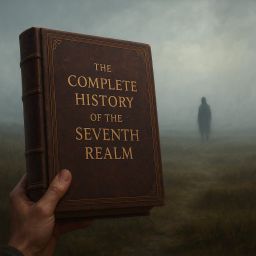
Stop burying your story under a mountain of facts. Many writers fall into the "Fog of Content," spending weeks on tax codes and maps while losing the emotional heart of their narrative. This guide teaches you how to balance world-building with human experience so your readers stay hooked. You will learn to: - Use "Just-In-Time" exposition to share details only when they drive the action. - Master the "Sprinkle Method" to build immersion through small, vivid sensory cues. - Identify and cut "info-dumps" that stall your plot. - Align your lore with emotional stakes to make fictional history feel personal. By prioritizing "who" over "where," you can transform a dry encyclopedia into a living, breathing world your audience will never forget.
Mastering the ladder of abstraction: How to turn vague ideas into vivid sensory details

Master the "ladder of abstraction" to transform your writing from dull information into a vivid, sensory experience. This guide teaches you how to balance high-level concepts with concrete details, ensuring your ideas have both strategic weight and emotional impact. You will learn to identify "ghost words" that drain your prose of life and replace them with telling details that trigger a reader's empathy. By moving fluidly between grand theories and physical reality, you can avoid the trap of sounding pretentious or confusing. Whether you are drafting a business proposal or a novel, these techniques help you build a bridge between your mind and your audience, making your message impossible to forget. Give your words the texture they need to stick.