Literature & Writing | Booknibs
Literature & Writing
Explore focused learning nibs in Literature & Writing on Booknibs.
The Science of Paper and Ink: Why Receipts Fade While Books Last
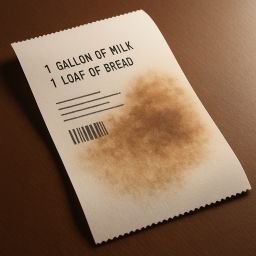
Ever wonder why your store receipts fade into blank slips within weeks while library books remain sharp for generations? The secret lies in thermal printing technology, a marvel of inkless engineering that relies on leuco dyes and organic acids. Unlike traditional pigment-based printing, which embeds color into paper fibers, thermal paper uses heat to trigger a delicate, reversible chemical reaction. This guide explores the molecular architecture of your daily transactional slips, explains why environmental heat and light act as natural erasers, and highlights the trade-offs between rapid, low-friction commercial convenience and long-term archival permanence.
The QWERTY Legacy: How 19th-Century Mechanics Still Shape the Way You Type
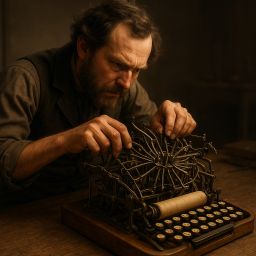
Discover why your fingertips follow a layout designed in the 1870s to prevent mechanical typewriter jams. This fascinating look at engineering history and motor neuroscience reveals how an obsolete solution for swinging metal arms evolved into the permanent architecture of our digital lives. You will learn how the QWERTY system influences the way your brain plans movements and why certain words feel physically smoother to type than others. By exploring this invisible system of constraints, you will understand how legacy technology forces our creative process to adapt to ancient mechanical rhythm, rather than modern ergonomic efficiency.
Rachilde and Monsieur Venus: A Bold Writer Defies Moral Order and the Fin-de-Siecle Body Politic
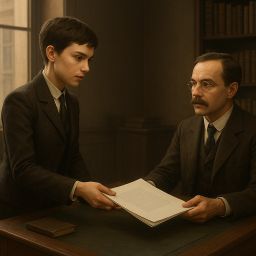
This nib explores the daring life and work of Rachilde, a young Parisian woman who shattered the male-dominated literary world of the 1880s. You will learn how she used provocative fashion and a bizarre pen name to bypass social filters, effectively branding herself a "Man of Letters" to be taken seriously. The nib breaks down her breakthrough novel, Monsieur Vénus, which flipped gender roles long before modern theory, and explains how she turned public scandal into a powerful tool for success. By studying her strategy of "cultural guerrilla warfare," you will see how mastering the rules of a closed system is the first step toward overturning it. It is a compelling look at why personal image and radical creativity can force open doors that have been locked for centuries.
From Folk Legend to Literary Icon: The Real History of Count Dracula

This nib explores the surprising origins of the world's most famous vampire, tracing the character from a bloodthirsty medieval prince to a global pop culture icon. You will learn to distinguish between the historical Vlad the Impaler and the fictional Count, discover how folk beliefs about "bloated corpses" evolved into the image of a sophisticated aristocrat, and identify which famous traits came from the original book versus early Hollywood films. By understanding these roots, you will see how creators mix history and local legends to build a lasting myth. This nib is essential for anyone interested in why certain stories haunt us for centuries and how the things that scare us often reflect the hidden anxieties of our own times.