Visual Arts | Booknibs
Drawing Negative Space to Sharpen Your Eye and Beat Visual Bias
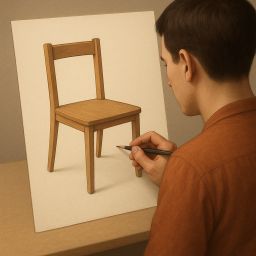
Learn how to draw realistically by bypassing your brain’s tendency to simplify the world. This guide reveals why we struggle to sketch accurate shapes and equips you with foundational techniques to overcome those mental shortcuts. You will learn to identify "negative space," use simple viewfinders, and practice blind contour drawing to sharpen your observation skills. By shifting your focus from labeling objects to measuring gaps and boundaries, you will move beyond cartoonish symbols to create precise, nuanced art. These exercises help you silence your internal critic and train your eyes to see the world as it truly exists.
Beyond the Lines: The Art of Negative Space
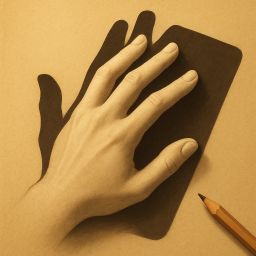
Break free from the mental shortcuts that keep you from drawing realistically. This guide reveals how your brain relies on generic symbols-like "eye" or "hand"-instead of actual visual data, causing your sketches to look cartoonish. By learning to focus on "negative space," or the empty shapes surrounding your subject, you can effectively bypass your brain's reliance on labels. You will learn to identify the shapes of the air to master perspective, improve accuracy through observation, and silence your left brain's analytical bias. Master these techniques to move beyond simple lines and start drawing the world exactly as it appears.
Rescuing History through Sound: The Science of Ultrasonic Art Restoration
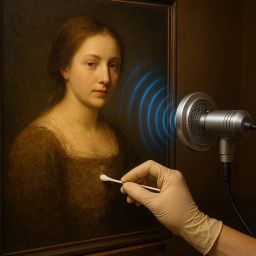
Discover how the high-tech world of physics is saving the world’s most fragile masterpieces. You will learn how restorers are moving away from harsh chemical solvents and abrasive scrubbing in favor of "ultrasonic cleaning." This process uses high-frequency sound waves to create microscopic bubbles that gently shake centuries of soot and yellowed varnish off a canvas without ever touching the paint. By understanding the science of cavitation, you will see how these tiny "pressure washers" strike with molecular precision to reveal the vibrant, original colors buried under layers of grime. This guide explains how experts calibrate sound frequencies to protect delicate pigments, ensuring that historical art survives for another generation. It is an essential look at how modern engineering preserves the true intent of the world's greatest artists.
Vibrating Colors: The Science Behind 3D Illusions and Chromostereopsis
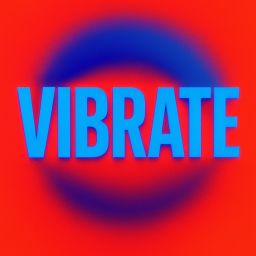
Discover why certain color combinations, like electric blue on searing red, appear to vibrate or leap off a flat surface. This guide explains the mechanics of chromostereopsis, a fascinating quirk where the human eye acts like a living prism. You will learn how your brain calculates depth based on light wavelengths and why your eyes must physically strain to focus on high-contrast pairings. By understanding these biological limits, you can identify why certain digital designs cause headaches while master painters use these same "glitches" to create breathtaking 3D effects. Gain practical insight into choosing color palettes that prioritize comfort and clarity over visual fatigue.
The Science of Contrast: How Color and Context Shape Everything We See

Discover how your brain acts as a storyteller rather than a camera, constantly rewriting the colors you see to help you survive. You will master the "Law of Simultaneous Contrast," a secret used by master painters like Seurat to make images glow without changing a single drop of paint. By understanding "lateral inhibition," you will learn why an object's surroundings matter more than the object itself, allowing you to manipulate shadows, light, and depth with professional precision. This guide provides practical techniques to make any color pop or recede. You will learn to pick the perfect background to make products look luxurious, text appear crisp, and dull colors feel vivid. Whether you are designing a website, painting a room, or choosing an outfit, these insights turn you from a passive observer into a visual architect. You will never see a simple grey square or a bright sunset the same way again.