Climate Science | Booknibs
Inside the Climate of Medellín: Geography and Weather Secrets of the City of Eternal Spring

Discover the geographic secrets behind Medellín, Colombia, and its legendary "City of Eternal Spring" nickname. This nib explores how the city’s high altitude and unique position in the Aburrá Valley create a perfect 22°C (72°F) year-round climate. You will learn the science of tropical microclimates, where elevation balances equatorial heat to eliminate the need for central heating or air conditioning. Beyond the physics of air currents, you will see how this lack of seasons shapes local culture, fuels the world-famous Flower Festival, and promotes a life lived outdoors. It is an essential look at how nature and urban design work together to create a permanent spring.
Turning Farms into Carbon Sinks with Basalt and Enhanced Rock Weathering
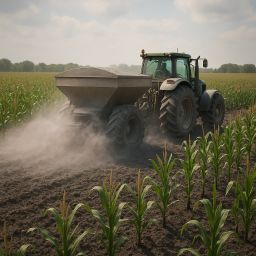
This nib explores "Enhanced Rock Weathering," a clever climate strategy that uses crushed volcanic basalt to turn global farmland into a massive carbon filter. You will learn how this "volcano strategy" shatters the myth that carbon capture requires expensive factories, proving instead that everyday farming can scrub the air. The nib breaks down the chemistry of how basalt dust transforms CO2 into a stable liquid that safely drains into the ocean for millennia. Beyond climate benefits, you will discover how this mineral dust acts as a natural multivitamin, restoring depleted soil and boosting crop yields. This is a persuasive look at a rare double-win for both the planet and the economy.
How the El Niño-Southern Oscillation Cycle Works and Why We Discovered It
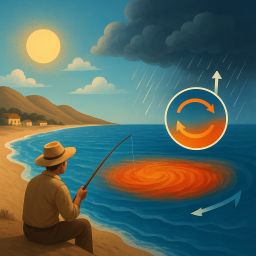
This nib explores the surprising connection between a centuries-old fishing tradition and the global climate. You will learn how the "El Niño" phenomenon works, moving beyond its name to understand the actual physics of how the ocean and atmosphere trade heat. The nib explains the "seesaw" effect that links high-pressure systems in the Pacific to weather disasters thousands of miles away, from droughts in Australia to floods in California. By understanding these global threads, you will see why the Pacific Ocean acts as the earth's thermostat. This insight helps you grasp how scientists predict seasonal shifts, making sense of why a warm patch of water off the coast of Peru can determine the success of harvests and the intensity of storms across the entire planet.
How the Amazon’s flying rivers work and why they are vital for South America’s water security

Discover how high-speed "flying rivers" in the atmosphere act as a massive, hidden plumbing system to transport billions of tons of water across a continent. This nib explores the fascinating science of tree alchemy, where billions of jungle trees pump moisture into the sky to create their own rain. You will learn how this invisible water cycle prevents major cities from drying up and why the survival of the forest is directly linked to regional food security and urban water taps. Understanding this delicate balance reveals why a forest is not just a home for wildlife, but a vital piece of global weather engineering that keeps entire nations from turning into deserts.
Ocean floor mud and tiny fossils: tracing the history of Earth's climate and geological cycles
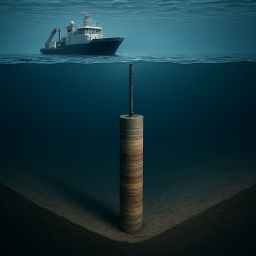
This nib reveals how simple ocean mud serves as the most accurate archive of our planet’s history. You will learn how scientists use deep-sea drill bits to extract sediment cores, which act as vertical timelines dating back over 65 million years. The nib explains how microscopic shells, called foraminifera, function as ancient thermometers by recording chemical signatures of the water around them. By following this geological trail, you will discover how the Earth’s orbit triggers ice ages and why these muddy records are essential for predicting our climate’s future. It is a rewarding look at the "hard drive" of the deep abyss that holds the secrets to Earth’s survival.
Sami Snow Science: Traditional Wisdom and the Physics of the Arctic Snowpack

This nib explores the sophisticated world of Sámi snow science, where a single snowdrift serves as a data-rich map for survival. You will learn how to "read" the hidden physics of the frozen landscape, identifying structural clues that reveal when a path is safe or when a hidden collapse is imminent. By decoding specialized terms for wind-hardened crusts and granular "sugar snow," you will discover how traditional knowledge aligns with modern thermodynamics to predict dangerous weather shifts. This nib shows how sharpening your senses can turn a flat, white expanse into a vivid history of wind and temperature, offering a masterclass in observation that makes anyone more resilient in a changing environment.
The Year 536: Climate change and the fallout from the worst time to be alive in human history

This nib explores why historians consider 536 AD the worst year to be alive, a time when a mysterious fog plunged the world into eighteen months of darkness. You will learn how scientists used Alpine ice cores and volcanic glass to solve a 1,500-year-old cold case, identifying the geological "triple threat" that caused temperatures to plummet. By following this investigation, you will discover the fragile link between climate shifts and the collapse of empires, including how a volcanic winter paved the way for the bubonic plague. This nib offers a gripping look at the resilience of human society when faced with an sudden, global catastrophe that turned noon into midnight.
How polar ice melt is slowing Earth's rotation and changing how we measure global time

This nib reveals the startling way human-driven climate change is physically slowing the Earth’s spin. You will learn how melting polar ice redistributes trillions of tons of water toward the equator, acting like an ice skater extending their arms to slow a rotation. The nib explains why this tiny shift in time poses a massive threat to GPS, global banking, and power grids that rely on perfect synchronization. By exploring the tension between atomic clocks and planetary motion, this nib shows that our impact on the environment has moved beyond weather and is now altering the fundamental mechanics of the solar system.
How Tree Rings Tell Time: The Science and History of Dendrochronology

In this nib, you will follow a frustrated astronomer as he reveals the secrets of the Sun by looking at the stumps of Arizona pines. You will learn how to read "biological barcodes" to pinpoint exact years in history and see how a single charred log solved the mystery of why an entire civilization abandoned their stone cities. Discover the art of pattern matching across species, from Viking ships to Stradivarius violins, and find out how stressed trees provide the most accurate climate data on Earth. This nib explains why a century-old discovery remains the gold standard for dating the past and predicting our future.
The shipping sulfur paradox: How IMO 2020 rules speed up global warming
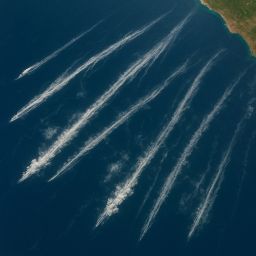
In this nib, you will discover the startling climate paradox triggered by a global shift to cleaner shipping fuels. You will learn how the "Twomey Effect" transformed dirty ship exhaust into an accidental sunscreen, reflecting solar heat away from our oceans for decades. The nib explains why a 2020 victory for public health unintentionally removed this protective shield, revealing the true, hidden scale of global warming. By mastering the concept of "aerosol masking," you will gain a deeper understanding of the fragile trade-offs in environmental policy and why cleaning our air has led to record-breaking ocean temperatures. This is an essential look at the invisible connections that shape our planet's future.
The discovery of Dansgaard-Oeschger events and how ice cores revolutionized abrupt climate science

This nib takes you deep inside the frozen secret of Camp Century, a Cold War military base where researchers discovered that our planet’s climate can flip like a light switch. You will learn how oxygen isotopes trapped in ancient ice work as a fossil thermometer, revealing violent temperature spikes that occurred in less than a human generation. By exploring the ocean’s conveyor belt, you will understand why the climate is a jittery system of tipping points rather than a slow, predictable cycle. This nib is essential for anyone wanting to see how past chaos in the ice warns us about the fragility of our modern world.
How solar farms in the Sahara Desert could reshape the climate and threaten the environment

This nib reveals why covering the Sahara Desert with solar panels is a world-class engineering plan that could backfire on a global scale. You will learn about the science of albedo, or how the Earth uses reflective surfaces like sand to cool itself, and how replacing pale dunes with dark panels would accidentally heat the planet. The nib explains the "nutrient caravan," a fascinating process where African dust travels thousands of miles to fertilize the Amazon rainforest, and why making the desert green could actually cause the jungle to collapse. By studying these hidden connections, you will understand why global climate fixes require looking at the big picture instead of simple, one-size-fits-all solutions.
How the South Asian Monsoon Works: The Physics of Heat and Motion
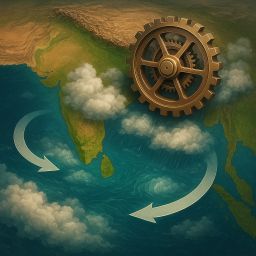
This nib explores the staggering mechanics of the monsoon, revealing it as a massive atmospheric heat engine rather than a mere rainstorm. You will learn how the thermal "tug-of-war" between land and sea creates a continental vacuum, and how the Tibetan Plateau acts as a high-altitude heater to pull moisture across the Indian Ocean. By examining the physics of pressure and the planet's rotation, the nib explains how this predictable system sustains billions of lives and once powered ancient trade routes. It is a vital look at the delicate balance between physics and survival, showing why this seasonal heartbeat is essential to our modern world.
Bloom or Bust: How Bioengineering and Climate Science Control the Timing of Cherry Blossoms

This nib reveals the hidden biological machinery behind one of nature's most iconic spectacles. You will learn how cherry trees use a two-key security system of cold and heat quotas to time their bloom with laboratory precision, preventing a premature "false spring" from killing their buds. The nib explains why Kyoto's 1,200-year-old blossom records are now a vital tool for climate scientists tracking global warming since the Viking Age. By exploring the chemistry of these living thermometers, you will understand how shifts in bloom dates warn us about agricultural risks and the health of our planet, turning a simple flower into a powerful witness to environmental change.
How Crossing the 400 ppm Carbon Dioxide Milestone Reshapes our Earth and Atmosphere
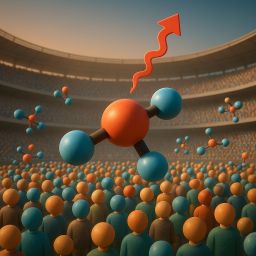
This nib explains why the tiny fraction of carbon dioxide in our air dictates the temperature of our entire planet. You will discover the "molecular gymnastics" that allow three-atom molecules to trap heat while simpler gases let it escape. By tracing the history of the famous Keeling Curve and ice core samples, the nib shows how we crossed the symbolic 400 parts per million threshold for the first time in millions of years. You will learn how this invisible shift triggers feedback loops, like melting ice and thawing soil, that speed up warming. Understanding these mechanics clarifies why such a small chemical change has fundamentally rewritten the rules for our global climate.
Earth's Missing One-Millionth: The Vital Role of Mobile Freshwater in our Global Climate

This nib reveals how a tiny, invisible fraction of Earth’s water sustains all life. You will discover how atmospheric rivers transport moisture across continents, how plants act as massive biological pumps, and why the speed of the water cycle is more vital than the massive volume held in oceans or ice. By examining water as a high-speed plumbing system rather than a static resource, you will learn to appreciate the delicate balance behind our climate and food security. Read this nib to understand the true mechanics of our survival and why protecting this precious, fast-moving moisture matters more than ever.
The Aerobiome: How Microorganisms Living in the Air Shape Global Weather

Look up at a cloud and you see vapor, but you are actually missing a bustling, invisible ecosystem. The aerobiome is a vast frontier where trillions of microbes travel the globe, shaping our weather and climate. This book reveals the hidden life of these atmospheric travelers, offering a fresh perspective on how our planet functions. You will learn how high-altitude bacteria actively trigger rain, how they survive extreme radiation, and why they act as essential engineers of the global water cycle. Understanding these tiny architects is critical for grasping climate shifts and protecting the natural systems that provide our water.
Milankovitch Cycles, How Orbital Shifts and Planetary Motion Drive Earth's Ice Ages

Discover how Milutin Milankovitch unlocked the secrets of Earth’s climate from a prison cell using nothing but mathematics and a pencil. This clear, essential guide explains the three celestial mechanics - eccentricity, obliquity, and precession - that dictate our planet’s long-term shifts between warmth and frozen ice ages. Readers will learn: - How Earth’s orbit, tilt, and wobble create a celestial metronome for climate change. - Why cool summers, rather than cold winters, are the true trigger for glaciers. - How human activity interacts with these natural rhythms to alter our future. Mastering these concepts transforms how you view climate science, revealing the delicate balance of our world.
Why Atmospheric Dust is Essential to the Earth, Its Climate, and All Life

We often see dust as a household nuisance, but it is actually the vital scaffolding of our planet. This piece reveals why our world’s "grime" is essential to keeping Earth habitable. You will learn how microscopic particles act as the structural glue for rain clouds, serve as a trans-oceanic fertilizer for the Amazon, and provide a protective filter against solar heat. By exploring the complex relationship between dust and our climate, you will gain a new appreciation for the natural world. Discover why a perfectly clean atmosphere would paradoxically lead to a sterile, overheated, and life-depleting wasteland.
Eunice Newton Foote and the Discovery of the Greenhouse Effect, the Scientific Legacy of Atmospheric Gas Research
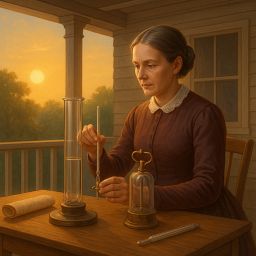
Discover how Eunice Newton Foote, a forgotten 19th-century pioneer, first linked carbon dioxide to our warming planet using only glass cylinders and sunlight. This account reveals the elegant physics behind the greenhouse effect, transforming abstract climate concepts into clear, real-world processes. You will learn how atmospheric gases trap heat, why water vapor acts as a critical amplifier, and how even trace gases dictate global temperatures. By stripping away complex jargon, this story highlights how Foote’s simple experiments accurately predicted our modern climate reality. Her work serves as an essential foundation for understanding the delicate balance keeping our world habitable today.