Ecology | Booknibs
How Saharan dust brings the Amazon rainforest to life
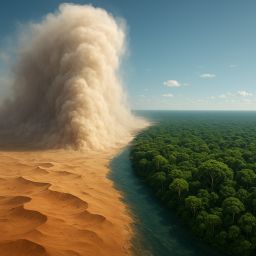
This nib reveals the invisible umbilical cord connecting the world’s driest desert to its lushest rainforest. You will discover how the Sahara serves as a global fertilizer delivery service, transporting millions of tons of nutrient-rich dust across the Atlantic to keep the Amazon alive. By following the 5,000-mile journey of fossilized algae from an ancient African lake bed, you will learn why the rainforest’s survival depends on a desert 3,000 miles away. This nib explains the delicate science of soil leaching and atmospheric transport, proving that Earth functions as a single, interconnected machine where the death of one ecosystem fuels the vibrant life of another.
How Life Returns to Surtsey: Primary Succession and Island Colonization in Iceland
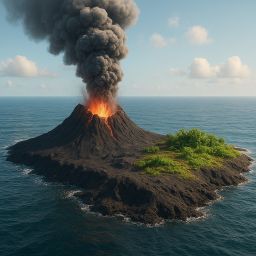
This nib explores the dramatic birth and evolution of Surtsey, a volcanic island that rose from the Atlantic floor in 1963. You will learn how life starts from scratch through primary succession, the process where microbes and hardy plants colonize bare rock without any existing soil. The journey illustrates the "founder effect," showing how wind, waves, and "ballooning" spiders select which species survive the trip to a new world. Most importantly, you will discover the "Gull Revolution," a fascinating look at how birds act as ecosystem hackers by delivering the seeds and fertilizer necessary to transform a wasteland into a lush sanctuary. Using Surtsey as a real-world laboratory, this nib reveals the incredible resilience of nature and the predictable patterns life follows to conquer even the harshest environments.
Outback Invaders: The History, Biology, and Ecological Toll of Australia's Wild Camels
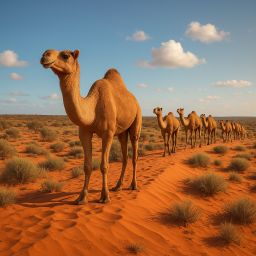
Discover how Australia became home to the world's largest wild camel population and why these "ships of the desert" are both a biological marvel and an environmental crisis. You will learn the specific physical traits that allow camels to thrive in extreme heat, from fat-storing humps to water-saving kidneys, and how they revolutionized early Australian industry and transport. This nib explores the lasting impact of invasive species on native ecosystems and how modern farmers are turning a wild nuisance into a thriving industry for milk and meat. It is a fascinating look at how a human decision from the 1800s forever reshaped the ecology of an entire continent.
The Wood Wide Web: How Underground Fungi Run the Forest Economy
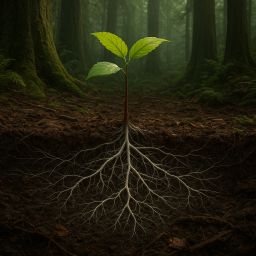
This nib reveals the "Wood Wide Web," a hidden underground network where trees and fungi trade resources to sustain the entire forest. You will learn how "Mother Trees" act as central hubs to nurture their young and how various species use fungal threads to send early warning signals about pests or drought. By understanding this complex biological marketplace, you will see why cooperation, rather than just competition, is the secret to a forest’s resilience. This nib is essential for anyone interested in how nature’s invisible social safety net protects the environment and helps fight climate change.
The global shift from nature to infrastructure: why human-made objects now outweigh all life on Earth
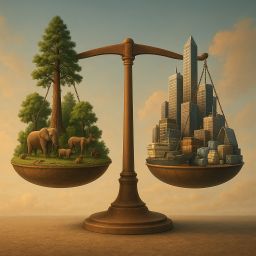
This nib explores a staggering shift in our planet’s history: the moment human-made objects finally outweighed all life on Earth. You will discover how a species representing just 0.01% of total biomass built a physical empire of concrete and steel that now rivals nature itself. By comparing the weight of skyscrapers and plastic to trees and wild animals, the nib reveals the true scale of our industrial footprint and why researchers view the year 2020 as a geological turning point. Learning these numbers helps you see the physical world differently, turning everyday objects like sidewalks and gadgets into evidence of our massive impact. It is a persuasive call to understand the "Great Acceleration" and how we might rebalance our heavy man-made world with the fragile living systems that support us.
Fighting Fire: From Fuel Physics to the Essential Revival of Cultural Burning
Discover how a single century of aggressive firefighting accidentally turned the American West into a global powder keg. This nib explores the "Big Blowup" of 1910 and the flawed 10 a.m. Policy, explaining why stopping every fire actually makes forests more dangerous. You will learn the physics of fuel loads, the difference between industrial prescribed burns and ancient cultural burning, and why Indigenous "cool fires" are the key to preventing modern megafires. By the end, you will understand how to read the landscape through the eyes of traditional experts who use fire to heal nature rather than destroy it. This nib is a vital lesson in ecological humility, showing why the wisdom we once ignored is now our best defense against a changing climate.
Wolf Reintroduction and the Shaping of Yellowstone: How Top Predators Saved the Rivers
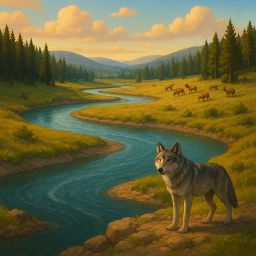
This nib tells the gripping story of how fourteen wolves transformed the physical geography of Yellowstone National Park. You will discover the "landscape of fear," a fascinating concept where the mere presence of a predator changes how other animals behave, allowing overgrazed forests to thrive once again. The nib explains the science of trophic cascades, showing how a single change at the top of the food chain creates a domino effect that stabilizes riverbanks and invites diverse wildlife back to the land. By following this journey, you will learn why top predators are vital for a healthy environment and how nature uses invisible webs of cause and effect to repair itself. It is a powerful lesson in how restoring one missing piece can fix an entire broken system.
The Life Cycle and Environmental Toll of Deep-Sea Whale Falls

By reading this nib, you will discover the remarkable afterlife of a whale and how a single carcass fuels a bustling deep-sea metropolis for over a century. You will learn the specific stages of a "whale fall," from the arrival of bone-eating zombie worms to the creation of biological power plants that run on toxic gas. This nib explains why these sunken giants are essential to global ocean health, acting as vital stepping stones that allow rare species to trek across thousands of miles of barren seafloor. Understanding this process reveals how life thrives in the most energy-starved places on Earth, proving that the death of one creature provides the foundation for an entire hidden world.
Amazon’s Black Soil: The History, Chemistry, and Environmental Impact of Terra Preta
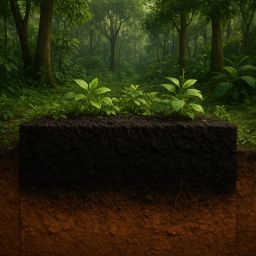
Uncover the secret of "Amazonian Dark Earth," an ancient soil technology that turns barren jungle ground into a self-sustaining powerhouse of fertility. This nib explores how indigenous engineers used charcoal and organic waste to build a microscopic "sponge" that traps nutrients and hosts thriving microbial cities. You will learn the chemistry behind biochar, a stable form of carbon that stays in the ground for thousands of years, and see how these rediscovered techniques offer a blueprint for fighting climate change today. It is a fascinating look at how we can transform modern farming by becoming long-term architects of the earth.
Saving the Permafrost at Pleistocene Park: How Reintroduced Animals Protect the Ground by Trampling Snow and Reflecting Sunlight

This nib introduces a bold plan to save the world from a "carbon bomb" buried deep in the Siberian permafrost. You will learn how the Zimov family is using ancient biology to fight modern warming, replacing the Arctic’s insulating snow with a deep-freeze powered by animal hooves. Discover how reintroducing bison and horses can transform the landscape, turning dark shrubs into reflective grasslands that cool the earth naturally. By shifting your perspective, the nib reveals how nature is not just something to protect, but a functioning piece of infrastructure that could be our most powerful tool for climate stability.
The Miyawaki Method: The Science and Practice of Growing High-Speed Forests
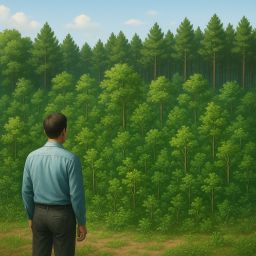
This nib explores the revolutionary "Miyawaki Method," a botanical shortcut that allows you to grow a mature, self-sustaining forest in just ten years instead of a century. You will learn how to identify native "primary species" to bypass slow natural cycles and discover why planting saplings in dense, chaotic clusters actually triggers a ten-fold increase in growth speed. By mastering these four stages of soil preparation and randomized planting, you can create resilient micro-jungles that thrive without weeding or watering after only three years. This nib reveals how to turn even small urban patches into biological walls that cool the air, support wildlife, and withstand natural disasters.
How Saharan Dust Feeds the Amazon Rainforest
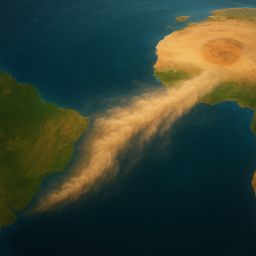
This nib reveals the surprising global partnership between the world's largest desert and its densest rainforest. You will learn how the Sahara acts as a long-distance fertilizer factory, using ancient, mineral-rich dust to "balance the checkbook" of the Amazon’s nutrient-poor soil. The nib explains the physics of the transatlantic wind highway and why the survival of the rainforest depends on a dried-up prehistoric lakebed over 3,000 miles away. By exploring this invisible infrastructure, you will understand how distant ecosystems are inextricably linked, showing that even a landscape as lush as the Amazon cannot thrive in isolation.
Small Acts and Big Changes: How Jadav Payeng Planted the Molai Forest
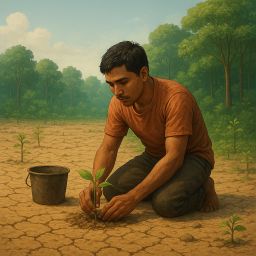
This nib tells the incredible true story of Jadav Payeng, a man who transformed a barren Indian sandbar into a 1,360-acre jungle by planting one tree at a time for forty years. You will learn the logic of "micro-action compounding," a method for tackling massive problems through tiny, daily deposits that grow like a biological bank account. This nib also breaks down the science of ecological succession, showing how to create a "tipping point" where a project gains its own momentum and begins to sustain itself. By following Payeng’s journey from a lone teenager with twenty bamboo saplings to the guardian of a thriving forest filled with tigers and elephants, you will gain a practical blueprint for starting any complex task without a big budget or a master plan. It is a persuasive look at why the size of a solution does not need to match the size of the problem at the start, making it an essential read for anyone facing a daunting challenge.
Namibia’s Mysterious Fairy Circles: How Termite Engineering and Plant Patterns Shape the Desert Landscape
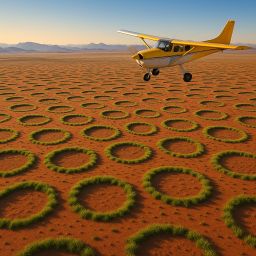
This nib explores a stunning natural mystery in the Namib Desert, where millions of circular bald spots form a perfect, grid-like pattern across the sand. You will learn how these "Fairy Circles" demonstrate the math of survival, linking the genius of codebreaker Alan Turing to the way plants and termites compete for water. By understanding how life self-organizes in extreme heat, you will see how nature uses invisible rules to turn a barren wasteland into a sophisticated, self-calculating engine. This nib reveals why these strange rings are more than just a landscape curiosity; they are a living early warning system for our changing climate.
How humans, livestock, and wild animals make up the world's total mammal biomass
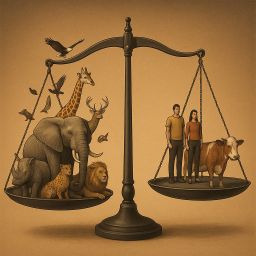
This nib reveals the stunning reality of the Earth’s biological scales, where wild mammals account for only 4 percent of the planet’s total weight. You will learn how to use biomass, the mass of carbon in living organisms, as a tool to measure a species' true impact on the environment. By looking at life through weight rather than population counts, this nib explains how human civilization and our livestock have physically crowded out the natural world. These insights matter because they provide a clear, scientific look at the fragility of our ecosystems. You will gain a new perspective on why the wild is shrinking and how our dietary and land-use choices act as the primary architects of the modern biosphere.
The hyporheic zone: how riverbed filtration drives water quality and stream life
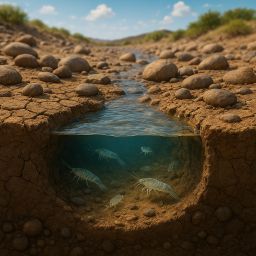
Discover the "river beneath the river" in this nib, which explores the hyporheic zone and its vital role in keeping our waterways alive. You will learn how this underground mixing bowl acts as the earth's liver, using a slow, natural filtration process to strip out agricultural toxins and pollutants. This nib explains how a healthy riverbed serves as a climate-safe nursery for fish and a hidden refuge for tiny, blind creatures during floods and droughts. By understanding how rivers breathe through the earth, you will gain a new perspective on why concrete and silt are so damaging to our water supply and how protecting the soil is the key to preserving the surface.
Whale Falls: How Deep-Sea Life Thrives and Changes on a Sunken Giant
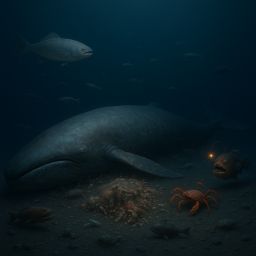
This nib explores the fascinating afterlife of a whale, revealing how a single carcass transforms a barren seafloor into a thriving metropolis. You will learn about the four distinct stages of deep-sea succession, from the high-speed work of sleeper sharks to the bizarre "zombie worms" that digest solid bone. The nib explains the vital role of chemosynthesis, showing how bacteria turn rotting fats into life-sustaining energy in total darkness. Most importantly, you will discover how these "whale falls" act as essential stepping stones for marine life to travel across the vast ocean. Understanding this cycle highlights the hidden connections between surface giants and the abyss, proving that in nature, every atom is recycled to spark new growth.
Cambodia's Floating Villages and the Great Reversal of the Tonle Sap River
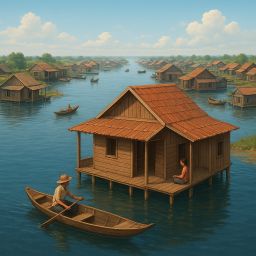
In this nib, you will discover the geological wonder of the Tonlé Sap, a Cambodian river that defies physics by flowing backward every year. You will learn how the massive "flood pulse" of the Mekong River creates a seasonal inland sea, swelling a small lake to six times its normal size and fueling the most productive freshwater fishery on the planet. This nib explains the ingenious ways local communities thrive in a landscape that changes its physical state, moving entire floating villages, schools, and markets to stay afloat. By exploring the mechanics of this biological gold rush, you will see how flexibility and resilience allow people and nature to turn a potential disaster into a life-giving cycle of abundance.
How Purple Sea Urchin Barrens Hurt the Ocean and How Sustainable Seafood Can Help Restore Kelp Forests
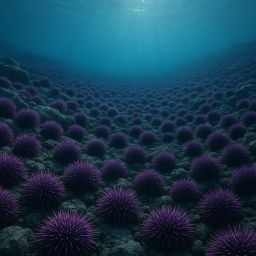
Discover the hidden drama of the Pacific coast by exploring the collapse and revival of its underwater kelp forests. This nib explains the "trophic cascade," a chain reaction where losing predators like sea otters and sunflower stars allows purple sea urchins to multiply and strip the seafloor bare. You will learn how these "zombie urchins" survive for years in a state of starvation, preventing the forest from regrowing on its own. Finally, you will see how "restorative seafood" offers a clever solution to this environmental crisis. By ranching these pests into high-value food, humans can act as the missing predators, weeding the seafloor and letting the lush, carbon-trapping cathedrals of the deep return to life.
Wangari Maathai and the Green Belt Movement: How Environmentalism, Local Democracy, and Peace Built a Better Kenya
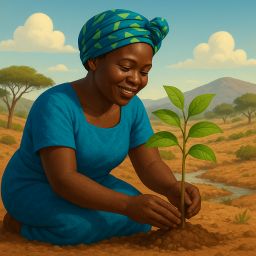
In this nib, you will discover the remarkable legacy of Wangari Maathai, the first African woman to win the Nobel Peace Prize. You will learn how planting trees became a powerful tool for defiance, helping rural communities reclaim their land from both desertification and dictatorship. This nib breaks down the "ecology of poverty," showing how environmental health directly impacts food security and local peace. By exploring the success of the Green Belt Movement, you will gain practical insights into how grassroots action can solve massive global problems. It is an inspiring look at why nature is the foundation of democracy and how one small, consistent effort can change the map of a continent.