Oceanography | Booknibs
The Pacific’s White Shark Cafe: Discovery and Biological Significance
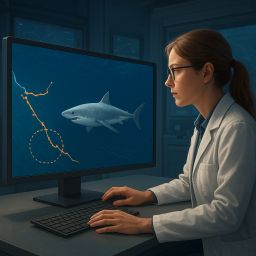
In this nib, you will travel to a mysterious patch of the Pacific known as the "White Shark Café." You will learn how Stanford researchers used satellite tracking to discover why Great Whites abandon the food-rich California coast for a supposed oceanic desert. This nib explores the "bounce-diving" behavior that allows these predators to hunt in the deep scattering layer, a hidden pantry of life far beneath the surface. You will also see how the sharks use their internal heat exchangers to survive freezing depths while meeting for a massive, secret social gathering. By the end, you will understand why protecting international "blue corridors" is vital for the survival of these sophisticated deep-sea explorers.
Dark Oxygen: How deep-sea metal nodules power natural electrolysis
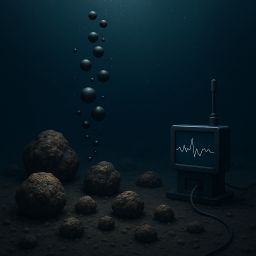
Journey to the Clarion-Clipperton Zone, a pitch-black abyss 13,000 feet below the Pacific, to uncover a discovery that defies the laws of biology. This nib explores the mystery of "dark oxygen," a phenomenon where the seafloor produces its own life-sustaining gas without any help from sunlight. You will learn how potato-sized metal lumps act like natural batteries, triggering a chemical reaction called electrolysis to split water molecules. By understanding how these mineral nodules power a hidden ecosystem, you will see why they are vital to the hunt for alien life and the global debate over deep-sea mining. It is a fascinating look at how the Earth’s own crust helps the planet breathe.
The vertical journey of ocean life, the deep scattering layer, and the biological carbon pump
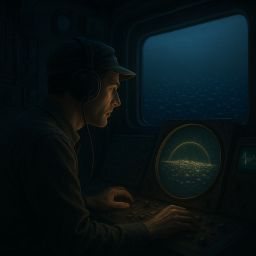
This nib uncovers the mystery of a "false seafloor" that once baffled wartime sonar operators, revealing it to be the largest movement of life on Earth. You will learn how trillions of deep-sea creatures, from shimmering lanternfish to tiny crustaceans, perform a nightly commute toward the ocean surface to feed under the cover of darkness. This nib explains how this massive migration acts as a biological elevator, dragging carbon out of our atmosphere and locking it safely in the deep sea to help regulate the global climate. By exploring the mechanics behind this daily vertical marathon, you will discover why the health of the distant twilight zone is vital to our own survival on land.
Finding hydrothermal vents and the shift from photosynthesis to chemosynthesis in the deep ocean
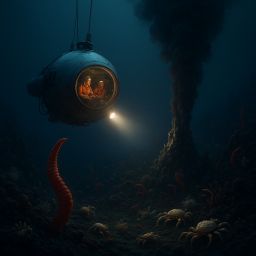
This nib reveals the stunning moment in 1977 when explorers found a lush ecosystem thriving in the pitch-black Pacific abyss. You will learn how life survives without a single ray of sunlight through chemosynthesis, a process where bacteria turn toxic chemicals from the Earth's crust into food. This nib also explains the unique biology of giant tube worms and how these deep-sea vents prove that life only needs geological heat, not a sun, to flourish. By understanding these extreme environments, you will see why scientists now believe alien life could be hiding under the ice of distant moons, forever changing our search for neighbors in the cosmos.
Mapping the Deep: Marie Tharp and the Discovery of Plate Tectonics

This nib reveals how Marie Tharp, a geologist barred from research ships because of her gender, used scraps of sonar data to discover the Earth’s largest mountain range. You will learn how she identified the Mid-Ocean Ridge and the rift valley, the "smoking gun" that proves our continents are constantly moving. The nib explains how Tharp overcame institutional sexism and Cold War secrecy by turning raw numbers into hand-painted maps that were too beautiful to ignore. By the end, you will understand how a single map can spark a scientific revolution and why the ocean floor is far more than just a graveyard of mud.
The Marshallese Way of Water: The Science and Method of Traditional Stick Chart Navigation

This nib explores the sophisticated world of Marshallese wave piloting, a system of indigenous science that allows navigators to find tiny islands using only their bodies and the rhythm of the water. You will learn how ancient sailors read the ocean as a structured map of energy, using cowrie shells and coconut sticks to model complex fluid dynamics. The nib explains the physics of wave refraction and "shadows," showing how land creates distinct echoes that can be felt through a boat's hull from forty miles away. By understanding these patterns, you will discover how humans can process sensory data as accurately as a computer, turning the chaotic open sea into a predictable landscape of hidden geometry.
Deep-sea discovery: How metal nodules create dark oxygen on the ocean floor

In this nib, you will journey 13,000 feet below the waves to the Clarion-Clipperton Zone, where a team of scientists discovered that the seafloor actually produces its own "dark oxygen." You will learn how potato-sized mineral rocks, known as polymetallic nodules, act as natural batteries by generating enough electricity to split water molecules. The nib explains why this geological process challenges everything we know about the origins of life and why it creates a high-stakes conflict with the deep-sea mining industry. By exploring this mystery, you will see how the Earth’s darkest depths might provide a blueprint for finding life on frozen moons and distant planets.
Deep Sea Secrets: How Tiny Creatures Move Carbon and Help the Planet Breathe
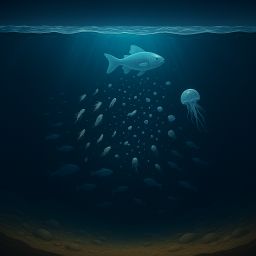
This nib reveals the ocean's "false bottom," a mysterious layer of life so dense it once tricked high-tech military sonar into seeing a phantom seabed. You will learn how trillions of tiny creatures, like the glowing lanternfish, perform the largest migration on Earth every single night. By following this daily commute from the dark abyss to the surface, you will discover how these animals act as a massive carbon pump that helps regulate our global climate. This nib offers a fascinating look at the hidden machinery of the deep sea and explains why this invisible cycle is vital for the health of our planet.
Katsuko Saruhashi: Tracking Radioactive Fallout Across the Pacific model_thought Katsuko Saruhashi and the Race to Track Radioactive Fallout in the Pacific Ocean

This nib explores the life of Katsuko Saruhashi, a pioneering geochemist who challenged the world’s most powerful military to save our oceans. You will learn how Saruhashi used precise chemical tables to track radioactive isotopes across the Pacific, proving that the sea acts more like a moving conveyor belt than a giant, neutralizing sponge. By discovering how currents carry nuclear fallout thousands of miles, she dismantled the dangerous myth of "dilution" and provided the hard evidence needed to secure the landmark 1963 treaty banning atmospheric nuclear tests. This nib demonstrates why accurate data is the ultimate tool for environmental protection and how one scientist’s dedication to the truth can reshape global policy.
Prochlorococcus: The Tiny Ocean Bacteria Powering Earth's Oxygen and Marine Life
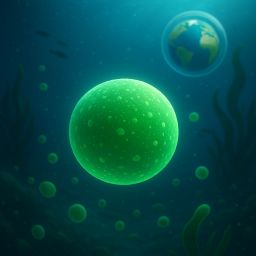
This nib uncovers the hidden engine behind every second breath you take, revealing why the world's most vital oxygen source isn't a forest, but a microscopic ocean bacterium. You will discover how scientists stumbled upon Prochlorococcus, an invisible architect that remained unknown until 1986 despite its massive impact on our atmosphere. The nib explains how these tiny organisms regulate the Earth's temperature through a process called the biological pump and how they survive in "underwater deserts" with incredible genetic efficiency. By understanding this microscopic powerhouse, you will gain a fresh perspective on planetary health and see why the fate of these tiny green dots is tied directly to our own survival.
Deep-Sea Brine Pools: The Physics, Chemistry, and Ecosystems of Underwater Lakes
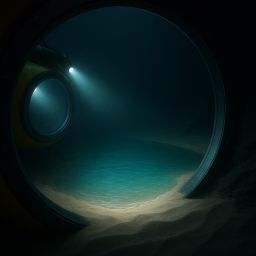
This nib takes you nearly three thousand feet below the Gulf of Mexico to explore a landscape that defies the laws of the deep sea. You will discover why the ocean floor hides massive lakes of brine with their own shorelines and waves, and how extreme physics keeps this heavy, salty water from mixing with the rest of the sea. By learning about the lethal "halocline" boundary, you will see how life thrives on toxic gases like methane through chemosynthesis, a process that turns poison into energy. This nib reveals how these salt pools act as a preview for alien life on distant moons, proving that even the most hostile environments on Earth are teeming with specialized, resilient creatures.
Marie Tharp and the Mid-Atlantic Ridge: How Mapping the Seafloor Proved Plate Tectonics

Discover how Marie Tharp, a geologist barred from research ships because of her gender, used math and ink to reveal the hidden landscape of the deep sea. This nib follows Tharp’s journey as she transformed raw sonar pings into the first map of the ocean floor, uncovering a massive rift that proved the continents actually move. You will learn how to spot meaningful patterns in messy data and why the "glitches" others ignore often lead to the biggest breakthroughs. By exploring Tharp’s persistence against the scientific establishment, you will see how visual evidence can overturn long-held biases and why a fresh perspective is often the most powerful tool for solving ancient mysteries.
Ancient Stars and Ocean Swells: The Art of Traditional Polynesian Wayfinding
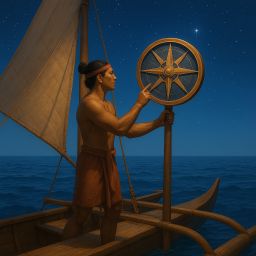
This nib reveals the sophisticated mental "software" that allowed ancient Polynesian explorers to settle the Pacific without a single physical tool. You will discover how master navigators used the "star compass" to turn the night sky into a reliable 24-hour clock and why they relied on the physical tilt of their boats to feel invisible ocean currents. By exploring the logic of swell patterns and the "loom" of reflecting sand, the nib shows how these voyagers expanded tiny islands into massive targets they could hit with pinpoint accuracy. It is a compelling look at how the human mind can process environmental data far more effectively than modern GPS, offering a new perspective on our own relationship with the natural world.
Katsuko Saruhashi and the Chemistry of Ocean Carbon Cycles
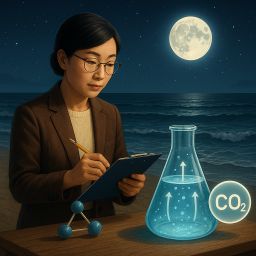
This nib reveals how Katsuko Saruhashi, a pioneering chemist, transformed the ocean from a mysterious "black box" into a vital tool for tracking the planet's health. You will learn how to use "Saruhashi’s Table" to calculate how much carbon dioxide the sea absorbs, and why the ocean acts as a giant antacid for the Earth. The nib also shows how the same math used to track radioactive fallout now helps us understand modern ocean acidification. By mastering these concepts, you will gain a clear view of the invisible chemical cycles that regulate our climate and protect the air we breathe.
Inside the Mass Spawn: How Biology and Environment Trigger Corals to Bloom Together
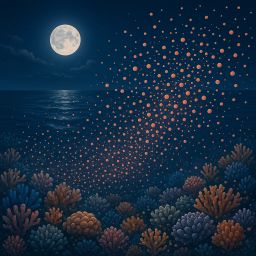
This nib explores the stunning natural clockwork behind mass coral spawning, a rare event where entire reef systems release billions of colorful eggs in a single, synchronized night. You will learn how stationary corals use the moon, sea temperatures, and the sunset as a three part biological trigger to coordinate their timing with the precision of a stopwatch. The nib explains why this massive "buffet" strategy is essential for surviving predators and how corals maintain genetic diversity across vast distances. By understanding these celestial rhythms, you will see how light pollution and rising temperatures threaten this ancient process and what scientists are doing to protect the future of our oceans.
Seaweed and Macroalgae: The Biology, History, and Future of a Hidden Supercrop
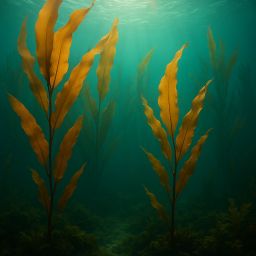
Dive into the hidden world of seaweed to discover why these masters of the marine world are far more than just "ocean grass." This nib reveals the clever engineering behind underwater forests, from tiny gas-filled balloons that act as life jackets to anchors that grip rocks with a mountain climber's strength. You will learn how these zero-input organisms grow two feet a day without soil or fresh water, and why they are the secret behind the creamy texture of your ice cream and the savory punch of your favorite snacks. Beyond biology, this nib explores how seaweed revolutionized global history and why it is now a front-line tool in the fight against climate change. You will see how a British scientist’s 1949 discovery saved the sushi industry and how modern researchers use red algae to cut greenhouse gases from cattle. By uncovering the versatile roles of seaweed as a carbon vacuum and a cultural staple, you will gain a new appreciation for the slippery ribbons swaying beneath the tides.
How the ocean’s conveyor belt works and the global impact of a deep-sea current collapse
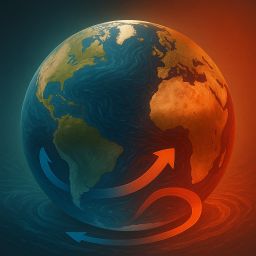
This nib explains how a massive loop of ocean currents acts as Earth’s climate control system and what happens when it breaks down. You will learn the mechanics of thermohaline circulation, the delicate balance of salt and heat that keeps the "engines" of the Atlantic running, and how melting glaciers act like a lid to shut them off. The nib details why a collapse would trigger abrupt freezing in Europe while simultaneously fueling massive heatwaves and storms in the southern hemisphere. By exploring the link between moving water and global food supplies, you will see how these silent currents support the global economy and keep our modern world habitable.
The SOFAR Channel: How Sound Travels Underwater and Its Uses in Marine Science
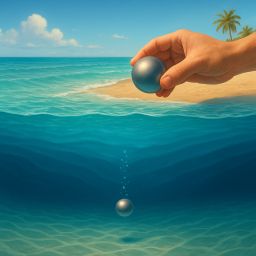
Explore the hidden physics of the SOFAR channel, a natural underwater highway that allows sound to travel thousands of miles without losing its strength. This nib reveals how the ocean uses temperature and pressure to create an invisible lens, trapping noise in a deep-sea corridor. You will discover how scientists and the military used this "liquid telegram" to track secret submarines and why giant whales rely on it as a global calling network. By understanding how sound bends in the deep, you will see how human activity now threatens this ancient acoustic world and how the channel serves as a vital thermometer for our changing climate.
Dark Oxygen and Deep-Sea Nodules: How Geological Batteries Fuel Life on the Ocean Floor
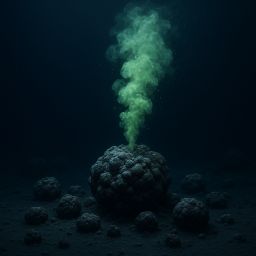
In the pitch-black abyss of the Clarion-Clipperton Zone, researchers recently discovered that potato-sized metallic rocks are generating "dark oxygen" through natural sub-sea electrolysis. By reading this nib, you will understand how specific metallic nodules act as geobatteries, grasp the critical role these rocks play as anchors for deep-sea life, and learn why this discovery challenges our fundamental understanding of how complex life first emerged without sunlight. This insight is essential for evaluating the environmental stakes of deep-sea mining, as these rocks may serve as the vital lungs of an entire ecosystem that we are only beginning to comprehend.
The Daily Deep-Sea Migration: Exploring the Science and Environmental Impact of the Ocean's Invisible Highway
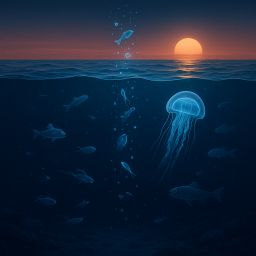
By reading this nib, you will uncover how the ocean-s "Diel Vertical Migration" functions as the largest animal movement on Earth. You will learn to identify the vital roles of mesopelagic creatures, the mechanics of the ocean-s biological carbon pump, and how these deep-sea populations influence our global climate. Understanding this "Invisible Highway" is essential because it reveals how the deep ocean sustains the entire marine food web and regulates the air we breathe. This exploration shifts your perspective from seeing the sea as an empty void to recognizing it as a complex, bustling engine that supports all life.