Science of Learning & Personal Growth | Booknibs
Science of Learning & Personal Growth
Explore focused learning nibs in Science of Learning & Personal Growth on Booknibs.
The Brain Rinse: Using Non-Sleep Deep Rest to Flush Out Toxins
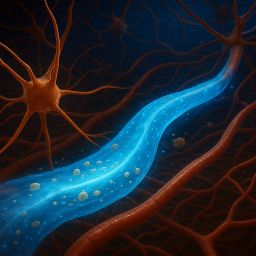
Discover how the glymphatic system functions as a biological sewer, physically clearing neural waste that causes cognitive fatigue. For decades, scientists believed this vital 'wash cycle' was exclusive to deep sleep, but new research shows that Non-Sleep Deep Rest (NSDR) can trigger this process on command. By shifting brainwaves from frantic beta states to rhythmic alpha and theta patterns, you can effectively open the brain's micro-channels to flush out metabolic toxins and restore mental clarity. This guide explores the mechanical link between brainwave frequency and hydraulic fluid flow, turning professional rest into a high-performance productivity tool.
The Generation Effect: Why Passive Learning Makes It Harder to Remember

Many people mistake the comfort of visual recognition for actual knowledge, leading to the common and frustrating experience of forgetting material immediately after study sessions. This guide explains the Generation Effect, a neurological mechanism demonstrating that memory is a byproduct of mental work rather than sensory intake. By moving from passive viewing to active retrieval, you force your brain to reconstruct information, which chemically hardens synaptic pathways. Explore how new educational AI tools are revolutionizing this process by acting as Socratic tutors, helping you shift from an effortless reader to an active learner who reliably masters complex concepts.
The Physiological Sigh: How to Trigger Your Body’s Natural Stress Release

Discover the hidden respiratory 'factory reset' that mammals have used for millions of years to manage stress. This guide explains the precise mechanics of the physiological sigh: a double-inhale maneuver designed to inflate collapsed lung sacs and optimize gas exchange. By understanding how this rapid-fire lung expansion forces a chemical reduction of carbon dioxide, you will learn to use a hardwired biological circuit to intentionally down-regulate your heart rate. Whether you are dealing with everyday anxiety or high-pressure environments, you can manually trigger your nervous system's off-switch through this simple, evidence-backed technique.
Expert Strategies for Teaching in the Virtual Classroom

Unlock the power of the Protege Effect to master complex information using modern AI. While passive reading often creates a false sense of fluency, attempting to teach a concept reveals the true gaps in your understanding. By utilizing interactive virtual avatars that act as naive learners, you can engage in active knowledge restructuring without the pressure of human judgement. This guide explores the cognitive mechanics of how teaching a digital surrogate enforces structural clarity and boosts long-term memory, proving that the most effective way to deepen your grasp of a subject is to act as the mentor.
How to use gamification and the neuroscience of motivation to transform your life and productivity
This nib reveals how to transform your daily grind into a high-stakes adventure by using the psychology of gaming to fuel your personal growth. You will learn how to trigger steady doses of dopamine, the brain chemical responsible for motivation, by breaking daunting life goals into manageable micro-challenges. This nib explains how to reframe failure as useful data rather than a personal defeat, helping you ditch anxiety and build resilience. By viewing your skills as evolving stats, you can design a custom scoring system that makes even the most tedious chores feel like rewarding quests. Discover how to find your flow, balance your energy, and turn your life into a game you actually want to play.
Digital screens and the dopamine loop: Why modern youth are losing focus and seeing lower IQ scores

This nib investigates the recent decline in global IQ scores and explores how digital habits are physically reshaping the young mind. You will learn how social media works like a digital slot machine, flooding the brain with dopamine to create a cycle of instant gratification that makes schoolwork feel like sensory deprivation. The nib breaks down the "switching cost" of multitasking, explaining why even a nearby smartphone fragments a child’s memory and prevents deep learning. By understanding the biology of the prefrontal cortex- the area responsible for focus and impulse control- you will discover practical ways to help the next generation reclaim their attention from predatory algorithms. This is an essential guide for anyone looking to turn passive screen users into critical thinkers and restore the life-changing power of deep concentration.
Debunking the Right-Brain Myth: The Neuroscience of Creativity

For decades, pop psychology has labeled individuals as either left-brained logic machines or right-brained creative dreamers. This guide debunks that persistent myth using modern neuroscience, showing that true innovation arises from a high-speed partnership between brain networks rather than isolated hemispheres. By exploring the interaction between the Default Mode Network and the Executive Control Network, you will understand how your brain balances wild association with analytical precision. Discover why labeling yourself by these outdated hemisphere stereotypes limits your potential and learn how to foster the neural synchronized dialogue that actually drives groundbreaking creative success.
The Tenerife Solution: Breaking the Chain of Command Hierarchy

The 1977 Tenerife disaster remains the deadliest in aviation history, yet it had nothing to do with mechanical failure. It was the result of a steep authority gradient, where a flight crew felt unable to challenge their legendary captain, even as they watched a catastrophe unfold. This insight led to the creation of Crew Resource Management, a system transforming modern leadership. You will learn how to shift from a hierarchical command model to a shared mental model, utilizing practical communication scripts like the Two-Challenge Rule to ensure safety and clarity in high-pressure environments.
How Small Habits Change Your Brain: The Neuroscience of Micro-Rituals

Why do elite athletes and professionals perform repetitive physical gestures before high-stakes tasks? From tennis players aligning their water bottles to surgeons adjusting their posture, these idiosyncratic micro-rituals are not mere superstitions. This exploration reveals how your brain functions as a prediction machine that struggles with uncertainty. By incorporating self-authored, repetitive physical loops, you can manually stabilize your nervous system, suppress the amygdala's panic response, and effectively clear cognitive RAM. Discover how to transform your own quirky habits into powerful, medically grounded performance tools that prime the motor cortex for precision while keeping stress-induced executive fatigue at bay.
The 85% Rule: Why Failing Just Enough Helps the Brain Learn Faster

If you are succeeding 100% of the time, your brain has stopped learning. Computational research reveals that a 15% error rate is the mathematical sweet spot for cognitive growth. This guide explains how your brain uses minor failures as biochemical signals to trigger neuroplasticity and build new physical neural pathways. You will learn to stop viewing frustration as a sign of incompetence and start using it as a reliable metric for skill acquisition. By intentionally targeting the edge of your abilities, you can transform your practice sessions into high-yield, muscle-building workouts for your mind.
The Master Key to Personal Success: Building Character and Empathy Through Emotional Intelligence and a Growth Mindset
This nib reveals how to upgrade your mindset from a glitchy, outdated system to one of high performance and quiet strength. By reading it, you will learn to turn failure into a "brain workout" and master the art of being happy with who you are while still pushing to grow. You will discover how to manage your reactions under pressure and use active empathy to make everyone around you feel valued. These skills help you build unshakeable resilience and a reputation for reliability, turning you into a natural leader who inspires others just by being yourself. This nib shows that true perfection is not about being flawless, but about living with the honesty and purpose that transform everyday life.
How a Blind Engineer in Africa Redefined Frugal Innovation and Overcame the Not Invented Here Bias

This nib reveals how the "Not Invented Here" bias acts as a mental gatekeeper, causing us to overlook brilliant ideas simply because they come from outsiders. Through the story of Bienvenu, a blind engineer in the Central African Republic who built a radio station from scrap, you will learn how the brain’s survival instincts trigger a distrust of non-traditional experts. You will discover the power of frugal innovation - the art of stripping technology down to its rugged essentials - and how this approach often outperforms high-end labs. By understanding these mental filters, you will gain the tools to spot genius in unlikely places and stop dismissing valuable solutions just because they do not fit a standard mold.
The Neuroscience of Creativity: How Jazz Musicians Reach Flow Through Transient Hypofrontality
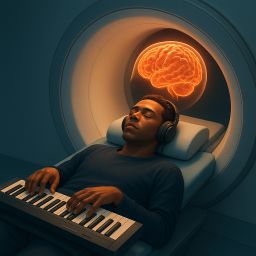
This nib explores the surprising neuroscience of high-level creativity. You will learn how the brain’s "inner critic" works and why elite performers must physically shut down their self-monitoring centers to reach a flow state. By examining fMRI studies of jazz musicians, the nib reveals the biological mechanics of transient hypofrontality, a state where the brain silences judgment to allow for rapid-fire intuition. You will discover why "trying too hard" often causes mental blocks and how to use low-stakes practice to let your subconscious take the lead. This nib is essential for anyone looking to bypass perfectionism and unlock more natural, spontaneous expression in their own work.
Pointing and Calling: The Origins and Brain Benefits of Japan’s Shisa Kanko Safety System

This nib introduces you to Shisa Kanko, the Japanese "pointing and calling" system that transformed railway safety and slashed human error rates by 85 percent. You will learn the history of this unique technique, from its humble origins in early 20th-century steam engines to its current status as a global gold standard for focus. The nib explains the biological "brain hack" behind the movements, showing how involving multiple senses like sight, touch, and sound can snap you out of dangerous autopilot mode. Beyond industrial use, you will discover how to apply these simple, physical habits to your own life to stop forgetting small tasks and catch professional mistakes before they happen. This nib is an essential guide for anyone looking to master their attention and eliminate the stress of second-guessing daily routines.
Why We Think We Know More Than We Do and the New Science of Intellectual Humility
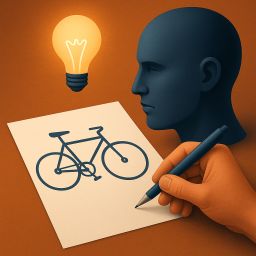
This nib reveals the surprising gap between what you think you know and what you can actually explain, a mental glitch known as the Illusion of Explanatory Depth. By attempting a simple task like drawing a bicycle, you will see how your brain takes shortcuts, mistaking mere familiarity for true understanding. You will learn why we evolved to be "cognitive misers" who outsource knowledge to our community, and how this mental habit fuels overconfidence in everything from home repairs to complex politics. Most importantly, you will gain practical tools, such as the Feynman Technique, to test your own knowledge and trade stubborn certainty for genuine intellectual humility.
Why We Choke: How Overthinking Wrecks Performance According to Neuroscience

This nib reveals why your skills can suddenly fail when the stakes are high, a frustrating phenomenon known as choking. You will learn the difference between your analytical brain and your automatic "muscle memory," discovering why micromanaging your own movements often leads to disaster. By understanding how anxiety disrupts your mental flow, you can use simple tricks, like specific routines or "cue words," to stay in the zone. This nib provides the tools to trust your training and stop overthinking, helping you perform at your best when it matters most.
Mastering YouTube Transcripts: A Guide to Smarter Research and Active Learning

Discover how to turn a passive viewing habit into a high-speed learning strategy with this nib. You will learn how to locate hidden video scripts, skip directly to the most relevant moments using interactive timestamps, and clean up raw text for your personal notes. These skills are essential for students and researchers who need to find specific facts without sitting through hours of footage. By mastering these simple navigation tools, you can bypass the fluff, capture technical details with clinical precision, and transform a fleeting stream of images into a searchable, permanent library of knowledge.
Why We Forget Why We Walked into a Room: The Science of the Doorway Effect and Memory Transitions

This nib explores the Doorway Effect, the strange biological glitch that causes us to forget why we walked into a room the moment we cross the threshold. You will learn how your brain acts like a film editor, cutting your life into manageable chapters to prevent information overload. This nib breaks down Event Segmentation Theory to show why physical transitions act as a hard reset for your short-term memory and how this survival instinct helped our ancestors stay alert in new environments. By understanding these mental boundaries, you will gain practical tricks like tactile anchors and sensory visualization to keep your thoughts from vanishing. It is an essential look at why your brain deletes the small stuff to make room for what matters most.
The Evolutionary Psychology of Collecting: Why We Catalog Objects and Information

Ever wonder why you feel such an intense urge to complete a set, whether it is stamps or digital icons? This nib dives into the evolutionary roots of the collector, explaining how primitive survival instincts for foraging have evolved into modern hobbies. You will learn the neurochemistry behind the hunt for treasures, how the Zeigarnik effect turns unfinished tasks into cognitive itches, and why organizing items provides a vital sense of control. By understanding these ancient brain patterns, you will gain a new perspective on your own habits, helping you embrace your need for order as a sign of intellectual mastery.
The Architecture of Achievement: Building the Mindset and Strategies for Success
This nib decodes the inner workings of high achievers to show that success is a learnable skill rather than a stroke of luck. By reading this, you will learn to adopt a growth mindset that turns failure into data, replace vague goals with specific action plans, and curate your focus through selective ignorance. These tools matter because they replace self-doubt with a structured path for personal development. Rather than hoping for results, you will gain the clarity to engineer your own progress. This nib provides the practical, mental blueprint needed to move from a static comfort zone toward consistent, high-impact growth.