Chemistry | Booknibs
How Mary Sherman Morgan Engineered Hydyne Fuel for the Explorer 1 Mission

The United States was losing the Space Race until an unlikely hero rewrote the laws of chemistry. This nib explores the high-stakes world of early rocket science, where self-taught chemist Mary Sherman Morgan solved a crisis that had baffled the nation’s top experts. You will learn the mechanics of "specific impulse," which measures how much thrust fuel provides, and discover why changing a molecule is often more effective than building a bigger engine. This nib reveals the clever engineering behind Hydyne, a custom fuel that saved the American space program when failure seemed certain. It is a powerful look at how grit and precise math can overcome institutional barriers and technical deadlocks.
Milk-Based Plastics: The History, Chemistry, and Industrial Impact of Galalith
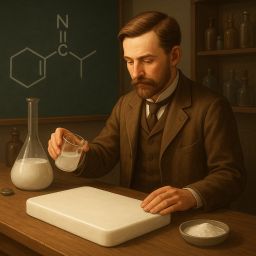
This nib reveals how a spilled bottle of chemicals in a 19th-century lab turned ordinary cow’s milk into a rock-hard material that rivaled ivory. You will learn the science of cross-linking proteins to transform liquid into solid, and see how this "milk stone" saved endangered species from the grips of Victorian fashion. By exploring the rise and fall of early bioplastics, you will understand why some materials succeed on the assembly line while others become rare collectibles. It is a fascinating look at how a simple kitchen staple nearly replaced the world's most expensive natural resources.
Pulling Water from the Air with MOFs and Reticular Chemistry
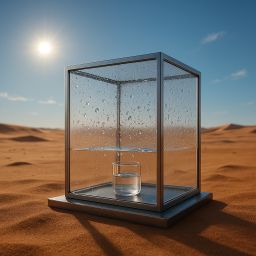
This nib explores a breakthrough in chemical engineering that pulls clean drinking water out of thin, dry desert air. You will learn how scientists use Metal-Organic Frameworks, a class of lab-grown crystals that act like programmable sponges, to trap water molecules at the molecular level. The nib explains how this process uses simple solar heat instead of expensive electricity, making it a sustainable solution for the world's driest regions. By understanding the difference between surface attraction and bulk soaking, you will see how these microscopic "cages" provide a decentralized, off-grid way to solve global water scarcity.
How Aluminum Became Common: The Science and History of a Once Precious Metal

This nib explores the surprising history of aluminum, a metal that was once more valuable than gold and reserved for the dinner tables of emperors. You will learn about the "sociable" chemistry that trapped this common element in common clay and the 19th-century breakthroughs that finally unlocked it. By following the story of two young inventors who worked thousands of miles apart, you will see how electricity transformed an expensive curiosity into the backbone of modern flight and power grids. This nib reveals how human ingenuity can turn ordinary dirt into a global resource, changing our understanding of scarcity and industrial progress forever.
Han Purple: The Chemistry, History, and Quantum Physics of an Ancient Synthetic Pigment
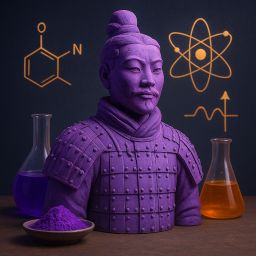
This nib uncovers the high-tech secrets of the Terracotta Army by exploring the creation of Han Purple, one of the world's first man-made pigments. You will learn how ancient chemists used complex heat engineering and alchemical recipes to "invent" a color that does not exist in nature. The nib explains why this 2,200-year-old paint is currently a sensation in modern physics, as its unique molecular structure allows it to lose a dimension under extreme laboratory conditions. By bridging the gap between imperial art and quantum mechanics, this nib shows how an ancient search for beauty accidentally paved the way for the future of supercomputing and materials science.
Alice Ball and the Ball Method: How Chemical Innovation and Chaulmoogra Oil Revolutionized Leprosy Treatment
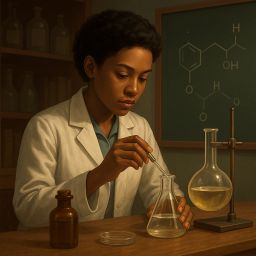
This nib reveals the hidden history of Alice Ball, a young chemist who revolutionized medical science by solving a century-old pharmaceutical puzzle. You will learn how Ball used a clever chemical process called esterification to turn a thick, painful oil into a life-saving injection, providing the first successful treatment for leprosy. This nib explains the vital difference between a drug’s raw ingredients and its delivery, showing how changing a molecule's structure can be the key to its success. By exploring this story of scientific triumph and the subsequent theft of her work, you will see why Ball is finally being recognized as a pioneer of modern drug delivery.
From Lab to Field: How Synthetic Fertilizer and the Haber-Bosch Process Changed the World
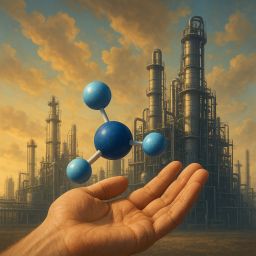
This nib reveals how 20th-century engineering shattered the natural limits of human life by pulling "invisible bread" directly from the sky. You will discover the science behind the Haber-Bosch process, a massive industrial breakthrough that uses heat and pressure to turn thin air into the fertilizer that feeds half the planet. The nib explains why your own DNA is effectively an industrial product and how this chemical magic allowed the global population to explode from 1.6 billion to over 8 billion. By exploring the tension between feeding the world and protecting our water and climate, this nib provides essential context for the most important, yet invisible, foundation of modern civilization.
How Flameless Ration Heaters Work: Chemical Oxidation and Supercorrosion in Military Supplies

You will discover how military engineers turned the destructive process of rust into a high-speed heating engine. This nib explains the clever chemistry inside the Flameless Ration Heater, a device that boils water using nothing but magnesium dust and a splash of salt water. You will learn how these ingredients create millions of microscopic batteries to generate an instant, intense reaction without matches or fuel. By exploring this "controlled meltdown," you will see how physics can be harnessed to provide life-saving warmth and hot meals in the most extreme environments on Earth.
How Cocoa Butter Crystals Shape the Art of Tempering Chocolate
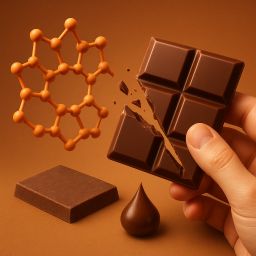
This nib explores the hidden materials science behind the perfect chocolate bar. You will learn why chocolate is technically a "fat-based suspension" and how its molecules resemble three-pronged forks that can stack into six different architectural patterns. The nib explains the process of tempering, a precise three-step cycle of heating and cooling used to force these molecules into the prestigious Form V crystal structure. By understanding this molecular geometry, you will discover how to achieve a professional glossy finish and that iconic sharp snap. You will also learn to identify "bloom," the white coating that appears when chocolate is stored incorrectly, and how to use the seeding method to turn your kitchen into a science lab. Mastering these invisible grids is the key to transforming a waxy, crumbly mess into a gourmet masterpiece that melts perfectly at body temperature.
The Science of Solvents: How Dry Cleaning Works at a Molecular Level
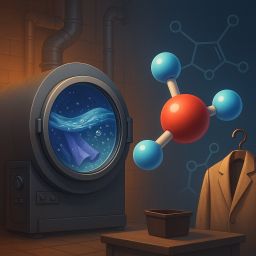
This nib reveals the hidden chemistry behind "dry" cleaning, proving the process is anything but dry. You will learn why water acts like a tiny magnet that ruins delicate wool and silk, and how specialized liquids called non-polar solvents can wash your finest clothes without causing them to shrink or warp. The nib also explains how industrial machines act like miniature recycling plants to distill and reuse these chemicals. By understanding these molecular basics, you will finally see why specific stains require different treatments and how to better care for your "dry clean only" wardrobe.
Using mass spectrometry and stable isotopes to spot fake extra virgin olive oil and verify its origin

This nib reveals how investigators use "atomic passports" to catch international food cartels selling fake olive oil. You will learn how high-tech mass spectrometry works like a liquid lie detector, weighing atoms to prove exactly where a tree grew. By understanding the difference between geology and marketing, you will see why traditional kitchen tests like the "fridge method" fail while isotope science remains foolproof. This nib shows how the chemistry of soil and rain helps protect honest farmers and ensures the luxury bottle in your pantry is the real deal.
Decaffeinating Coffee Using Supercritical Carbon Dioxide extraction: The Science and Engineering Behind the Process
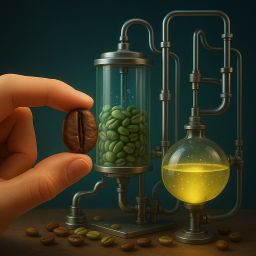
In this nib, you will go behind the scenes of the world’s most delicate molecular heist to see how coffee loses its kick without losing its soul. You will learn how engineers use carbon dioxide as a space-age "ghost fluid" to perform surgical extractions at the microscopic level, replacing old-school harsh chemicals with pure physics. By exploring the transition from toxic 1900s solvents to modern high-pressure tech, you will discover how matter can be pushed into a bizarre state that is neither liquid nor gas. This nib reveals why your decaf tastes better than ever and how science turns a morning ritual into a feat of precision engineering.
The Science of Superstition: How the Oligodynamic Effect Turned Wishing Wells into Ancient Water Filtration Systems
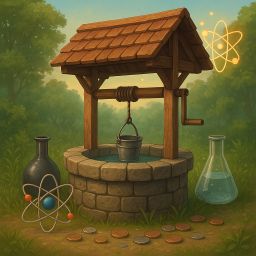
This nib reveals how the whimsical tradition of the wishing well was actually a brilliant prehistoric survival tactic. You will learn about the oligodynamic effect, a natural phenomenon where metals like silver and copper act as microscopic assassins to kill deadly bacteria and algae. By exploring the shift from ancient Celtic sacrifices to modern fountains, you will discover how "feeding" a well with coins was a form of accidental chemical engineering that kept drinking water safe for centuries. This nib demonstrates that many of our oldest superstitions are actually clever, practical solutions to life-and-death problems, showing you how your ancestors used chemistry to stay healthy long before they had a name for it.
How Chemical Polymorphism Work and Why Ritonavir Disappeared: A Guide to the Crisis
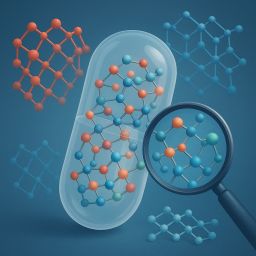
In this nib, you will explore the high-stakes world of molecular architecture through the true story of Norvir, a life-saving medication that nearly vanished overnight. You will learn about polymorphism-the ability of a solid material to change its crystal structure-and how these physical shifts can render a proven drug useless. The nib explains how "disappearing polymorphs" can spread like a virus through factories on a worker’s clothes or through the air, forcing scientists to hunt for every possible molecular shape before a pill reaches the public. By understanding these microscopic patterns, you will gain a new appreciation for the hidden physics that ensure the medicine in your cabinet actually works.
William Henry Perkin, the Discovery of Mauve, and the Birth of the Synthetic Chemical Industry

This nib reveals how a messy failure in a home attic sparked the modern world. You will follow William Henry Perkin, an 18-year-old student who set out to cure malaria but accidentally invented the first synthetic dye. You will learn how this "useful mistake" broke the ancient royal monopoly on color, transforming luxury into something everyone could afford. Beyond fashion, this nib explains how the hunt for vibrant purples led directly to the birth of the global pharmaceutical industry, organic chemistry, and the discovery of life-saving antibiotics. It is a persuasive look at why curiosity matters most when things go wrong and how industrial waste became the foundation for the medicine and materials we use today.
The Engineering and Chemical Hurdles of Lithium-Ion Batteries
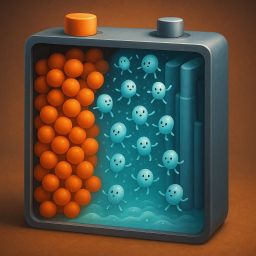
Dive into this nib to understand why smartphone batteries lag behind computer chips, trapped by the unyielding laws of chemistry rather than just engineering limits. You will learn how the internal anatomy of a battery-the anode, cathode, and electrolyte-governs energy storage and safety. Discover why moving atoms is far harder than moving electrons and explore the high-stakes quest to build safer, more powerful solid-state batteries. Reading this nib helps you grasp the physical constraints of portable energy and why overcoming the energy density bottleneck is the critical key to unlocking a truly electric future for travel and renewable power.
The Ball Method, Alice Ball and the Chemical Breakthrough in Leprosy Treatment
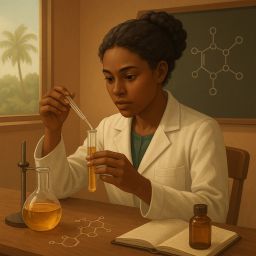
Learn how Alice Ball transformed medicine with her pioneering work on leprosy. By reading this nib, you will understand the fundamental challenge of hydrophobic drug delivery, explore the chemical process of esterification, and discover why molecular remodeling is essential for modern pharmacology. You will gain insight into how Ball revolutionized treatment by making heavy fatty acids soluble, effectively turning a crude folk remedy into a lifesaving pharmaceutical. These concepts demonstrate how chemical engineering solves complex transport issues within the human body. This nib offers a compelling look at scientific persistence, the history of medical breakthroughs, and the enduring power of innovation.
How Modern Safety Matches Work: A Story of History, Chemistry, and Physics

This nib reveals how the common match evolved from a dangerous, volatile curiosity into a triumph of modern engineering. By exploring the precise chemistry behind the match head and the safety-boosting role of red phosphorus, you will learn how friction triggers a rapid, controlled chain reaction. The nib also highlights the critical function of paraffin wax and fire retardants in transforming a fleeting spark into a steady flame. Reading this will change how you view everyday objects, showing that even the simplest tools are sophisticated, pocket-sized monuments to human ingenuity that turned the labor of ancient fire-keeping into an instant, reliable, and safe reality.
The Science of Scent: Engineering Molecular Delivery and Vapor Pressure in Perfume
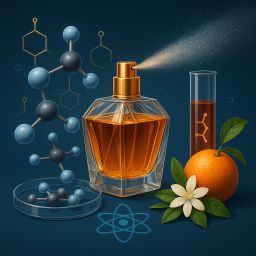
This nib explores the sophisticated chemical engineering behind fine fragrance, moving beyond the marketing to explain how scent behaves on your skin. You will learn the mechanics of vapor pressure, which dictates how top, heart, and base notes evaporate in sequence, and discover how molecular fixatives act like anchors to extend a scent's lifespan. You will also understand the dual role of ethanol as both a solvent and an evaporation catalyst. Reading the nib allows you to appreciate perfume as a precision delivery system, helping you select better fragrances and understand the invisible physics powering the scents you wear.
Nixtamalization: The Ancient Science of Corn and the Fight Against Pellagra
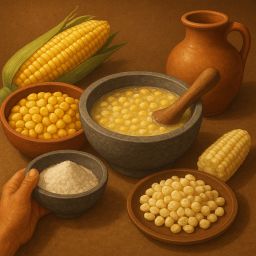
Discover the hidden life-saving science behind the world’s most versatile crop. While corn was the foundation of Mesoamerican civilizations, it hides a biological secret that once caused a global medical crisis. You will learn the mechanics of nixtamalization, an ancient chemical process that transforms raw grain into a nutritional powerhouse. By exploring this "alkaline alchemy," you will understand how to unlock essential vitamins, drastically improve food digestibility, and create the perfect texture for tortillas and tamales. This story reveals why respecting ancestral food traditions is not just about culture, but about mastering the chemistry of human survival.