Environment, Nature & Animals | Booknibs
Environment, Nature & Animals
Explore focused learning nibs in Environment, Nature & Animals on Booknibs.
How beaver dams stop wildfires by soaking the land and creating green havens in the wetlands
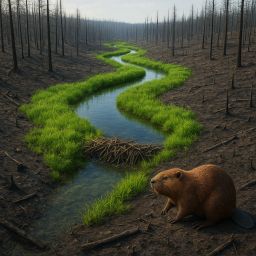
Discover how a forty-pound rodent with orange teeth creates fireproof sanctuaries in the heart of scorched forests. This nib explores the "saturated sponge" effect, showing how beaver dams force water deep into the soil to hydrate plants so thoroughly they simply cannot burn. You will learn how these natural engineers outperform human technology by turning dry, vulnerable streams into lush, green shields that survive even the hottest wildfires. By understanding the shift from expensive concrete dams to living, self-repairing wetlands, you will see why these animals are the ultimate allies in protecting our landscapes. It is a fascinating look at how working with nature provides a cheaper, more resilient defense against a flammable future.
The Pacific’s White Shark Cafe: Discovery and Biological Significance
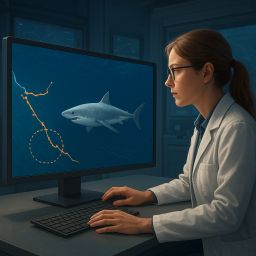
In this nib, you will travel to a mysterious patch of the Pacific known as the "White Shark Café." You will learn how Stanford researchers used satellite tracking to discover why Great Whites abandon the food-rich California coast for a supposed oceanic desert. This nib explores the "bounce-diving" behavior that allows these predators to hunt in the deep scattering layer, a hidden pantry of life far beneath the surface. You will also see how the sharks use their internal heat exchangers to survive freezing depths while meeting for a massive, secret social gathering. By the end, you will understand why protecting international "blue corridors" is vital for the survival of these sophisticated deep-sea explorers.
Dark Oxygen: How deep-sea metal nodules power natural electrolysis
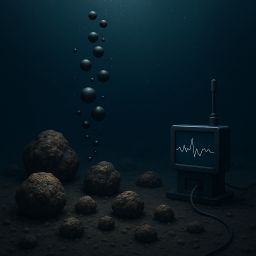
Journey to the Clarion-Clipperton Zone, a pitch-black abyss 13,000 feet below the Pacific, to uncover a discovery that defies the laws of biology. This nib explores the mystery of "dark oxygen," a phenomenon where the seafloor produces its own life-sustaining gas without any help from sunlight. You will learn how potato-sized metal lumps act like natural batteries, triggering a chemical reaction called electrolysis to split water molecules. By understanding how these mineral nodules power a hidden ecosystem, you will see why they are vital to the hunt for alien life and the global debate over deep-sea mining. It is a fascinating look at how the Earth’s own crust helps the planet breathe.
How Meghalaya’s Living Root Bridges Work and Why They Matter to Local Culture

This nib explores the remarkable living root bridges of Northeast India, where the Khasi and Jaintia peoples grow infrastructure instead of building it. You will learn how these "living machines" utilize inosculation, a process where roots fuse their circulatory systems to create unbreakable biological cables. The nib explains why these structures thrive under the same heavy monsoon rains that cause steel to rust and concrete to crumble. By discovering the science of how wood strengthens under physical stress, you will see how ancient botanical engineering offers a sustainable, carbon-absorbing alternative to modern construction. This is a fascinating look at how patience and local wisdom can create a legacy that lasts for half a millennium.
How Saharan dust brings the Amazon rainforest to life
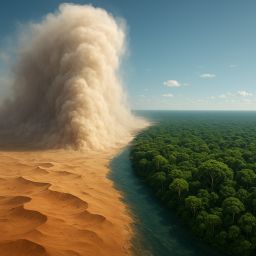
This nib reveals the invisible umbilical cord connecting the world’s driest desert to its lushest rainforest. You will discover how the Sahara serves as a global fertilizer delivery service, transporting millions of tons of nutrient-rich dust across the Atlantic to keep the Amazon alive. By following the 5,000-mile journey of fossilized algae from an ancient African lake bed, you will learn why the rainforest’s survival depends on a desert 3,000 miles away. This nib explains the delicate science of soil leaching and atmospheric transport, proving that Earth functions as a single, interconnected machine where the death of one ecosystem fuels the vibrant life of another.
Farming without Light: How Synthetic Photosynthesis and Acetate Electrolysis Grow Food in the Dark
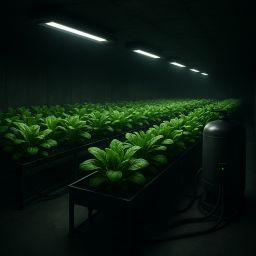
Step into the future of food with this nib, which explores how "electro-agriculture" could replace the sun with liquid energy. You will learn why photosynthesis is a surprisingly inefficient process and how a tiny biological glitch in plants keeps us from feeding the world. This nib explains a breakthrough method that uses electricity to turn carbon dioxide into a nutrient-rich "vinegar" diet, allowing crops to thrive in total darkness. By understanding these concepts, you will see how farming in windowless bunkers can produce four times more food than traditional fields while potentially returning millions of acres of farmland back to nature.
Inside the Climate of Medellín: Geography and Weather Secrets of the City of Eternal Spring

Discover the geographic secrets behind Medellín, Colombia, and its legendary "City of Eternal Spring" nickname. This nib explores how the city’s high altitude and unique position in the Aburrá Valley create a perfect 22°C (72°F) year-round climate. You will learn the science of tropical microclimates, where elevation balances equatorial heat to eliminate the need for central heating or air conditioning. Beyond the physics of air currents, you will see how this lack of seasons shapes local culture, fuels the world-famous Flower Festival, and promotes a life lived outdoors. It is an essential look at how nature and urban design work together to create a permanent spring.
Turning Farms into Carbon Sinks with Basalt and Enhanced Rock Weathering
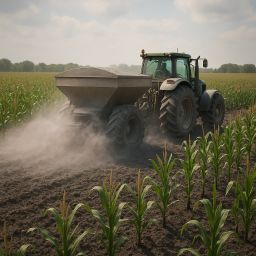
This nib explores "Enhanced Rock Weathering," a clever climate strategy that uses crushed volcanic basalt to turn global farmland into a massive carbon filter. You will learn how this "volcano strategy" shatters the myth that carbon capture requires expensive factories, proving instead that everyday farming can scrub the air. The nib breaks down the chemistry of how basalt dust transforms CO2 into a stable liquid that safely drains into the ocean for millennia. Beyond climate benefits, you will discover how this mineral dust acts as a natural multivitamin, restoring depleted soil and boosting crop yields. This is a persuasive look at a rare double-win for both the planet and the economy.
How Life Returns to Surtsey: Primary Succession and Island Colonization in Iceland
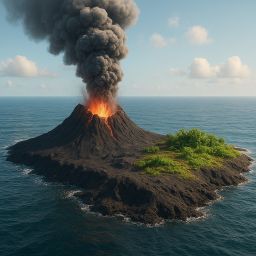
This nib explores the dramatic birth and evolution of Surtsey, a volcanic island that rose from the Atlantic floor in 1963. You will learn how life starts from scratch through primary succession, the process where microbes and hardy plants colonize bare rock without any existing soil. The journey illustrates the "founder effect," showing how wind, waves, and "ballooning" spiders select which species survive the trip to a new world. Most importantly, you will discover the "Gull Revolution," a fascinating look at how birds act as ecosystem hackers by delivering the seeds and fertilizer necessary to transform a wasteland into a lush sanctuary. Using Surtsey as a real-world laboratory, this nib reveals the incredible resilience of nature and the predictable patterns life follows to conquer even the harshest environments.
Outback Invaders: The History, Biology, and Ecological Toll of Australia's Wild Camels
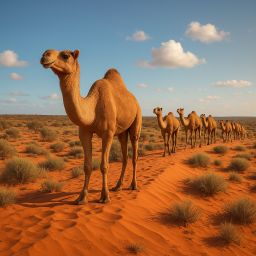
Discover how Australia became home to the world's largest wild camel population and why these "ships of the desert" are both a biological marvel and an environmental crisis. You will learn the specific physical traits that allow camels to thrive in extreme heat, from fat-storing humps to water-saving kidneys, and how they revolutionized early Australian industry and transport. This nib explores the lasting impact of invasive species on native ecosystems and how modern farmers are turning a wild nuisance into a thriving industry for milk and meat. It is a fascinating look at how a human decision from the 1800s forever reshaped the ecology of an entire continent.
The Wood Wide Web: How Underground Fungi Run the Forest Economy
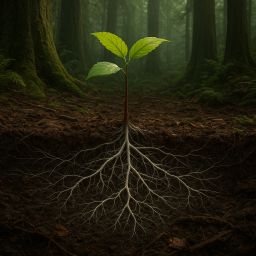
This nib reveals the "Wood Wide Web," a hidden underground network where trees and fungi trade resources to sustain the entire forest. You will learn how "Mother Trees" act as central hubs to nurture their young and how various species use fungal threads to send early warning signals about pests or drought. By understanding this complex biological marketplace, you will see why cooperation, rather than just competition, is the secret to a forest’s resilience. This nib is essential for anyone interested in how nature’s invisible social safety net protects the environment and helps fight climate change.
The vertical journey of ocean life, the deep scattering layer, and the biological carbon pump
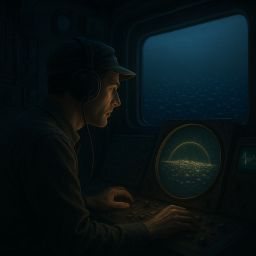
This nib uncovers the mystery of a "false seafloor" that once baffled wartime sonar operators, revealing it to be the largest movement of life on Earth. You will learn how trillions of deep-sea creatures, from shimmering lanternfish to tiny crustaceans, perform a nightly commute toward the ocean surface to feed under the cover of darkness. This nib explains how this massive migration acts as a biological elevator, dragging carbon out of our atmosphere and locking it safely in the deep sea to help regulate the global climate. By exploring the mechanics behind this daily vertical marathon, you will discover why the health of the distant twilight zone is vital to our own survival on land.
The global shift from nature to infrastructure: why human-made objects now outweigh all life on Earth
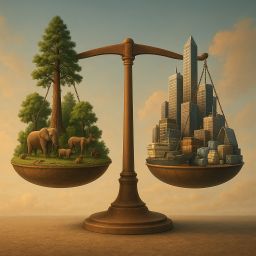
This nib explores a staggering shift in our planet’s history: the moment human-made objects finally outweighed all life on Earth. You will discover how a species representing just 0.01% of total biomass built a physical empire of concrete and steel that now rivals nature itself. By comparing the weight of skyscrapers and plastic to trees and wild animals, the nib reveals the true scale of our industrial footprint and why researchers view the year 2020 as a geological turning point. Learning these numbers helps you see the physical world differently, turning everyday objects like sidewalks and gadgets into evidence of our massive impact. It is a persuasive call to understand the "Great Acceleration" and how we might rebalance our heavy man-made world with the fragile living systems that support us.
Metal-Hungry Plants and the Science of Phytomining: How to Harvest Ore Using Nature alone
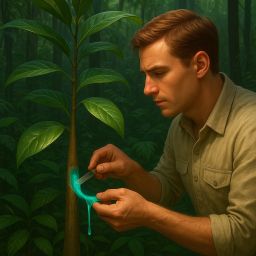
In this nib, you will discover the strange biology of hyperaccumulators, rare plants that thrive on soil so toxic it kills their competitors. You will learn how these species weaponize heavy metals like nickel to poison hungry insects and how they store industrial-grade ore in their own leaves. This nib explores the shift from destructive open-pit mining to agromining, a process that uses solar power and root systems to harvest minerals for green energy. By understanding this biological transport system, you will see how nature offers a cleaner, more sustainable way to power the future of high-tech batteries.
Finding hydrothermal vents and the shift from photosynthesis to chemosynthesis in the deep ocean
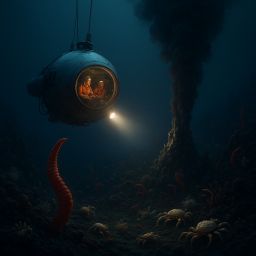
This nib reveals the stunning moment in 1977 when explorers found a lush ecosystem thriving in the pitch-black Pacific abyss. You will learn how life survives without a single ray of sunlight through chemosynthesis, a process where bacteria turn toxic chemicals from the Earth's crust into food. This nib also explains the unique biology of giant tube worms and how these deep-sea vents prove that life only needs geological heat, not a sun, to flourish. By understanding these extreme environments, you will see why scientists now believe alien life could be hiding under the ice of distant moons, forever changing our search for neighbors in the cosmos.
How the El Niño-Southern Oscillation Cycle Works and Why We Discovered It
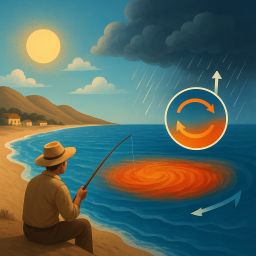
This nib explores the surprising connection between a centuries-old fishing tradition and the global climate. You will learn how the "El Niño" phenomenon works, moving beyond its name to understand the actual physics of how the ocean and atmosphere trade heat. The nib explains the "seesaw" effect that links high-pressure systems in the Pacific to weather disasters thousands of miles away, from droughts in Australia to floods in California. By understanding these global threads, you will see why the Pacific Ocean acts as the earth's thermostat. This insight helps you grasp how scientists predict seasonal shifts, making sense of why a warm patch of water off the coast of Peru can determine the success of harvests and the intensity of storms across the entire planet.
How the Amazon’s flying rivers work and why they are vital for South America’s water security
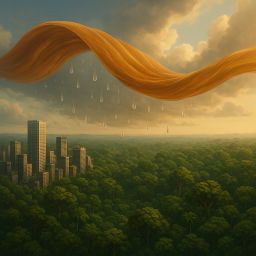
Discover how high-speed "flying rivers" in the atmosphere act as a massive, hidden plumbing system to transport billions of tons of water across a continent. This nib explores the fascinating science of tree alchemy, where billions of jungle trees pump moisture into the sky to create their own rain. You will learn how this invisible water cycle prevents major cities from drying up and why the survival of the forest is directly linked to regional food security and urban water taps. Understanding this delicate balance reveals why a forest is not just a home for wildlife, but a vital piece of global weather engineering that keeps entire nations from turning into deserts.
Fighting Fire: From Fuel Physics to the Essential Revival of Cultural Burning
Discover how a single century of aggressive firefighting accidentally turned the American West into a global powder keg. This nib explores the "Big Blowup" of 1910 and the flawed 10 a.m. Policy, explaining why stopping every fire actually makes forests more dangerous. You will learn the physics of fuel loads, the difference between industrial prescribed burns and ancient cultural burning, and why Indigenous "cool fires" are the key to preventing modern megafires. By the end, you will understand how to read the landscape through the eyes of traditional experts who use fire to heal nature rather than destroy it. This nib is a vital lesson in ecological humility, showing why the wisdom we once ignored is now our best defense against a changing climate.
The Life Cycle and Biological Mysteries of the European Eel and the Struggle to Breed Them in Captivity
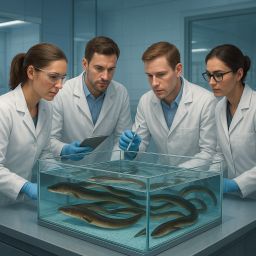
By exploring the life of the European eel, this nib reveals why one of the world's most common fish remains a total scientific mystery. You will learn how these creatures use magnetic imprinting, a biological map tuned to the Earth's magnetic field, to navigate a 6,000-kilometer trek across the Atlantic. The nib explains the eel's strange transformation from a river dweller into a deep-sea traveler and why their unique need for deep-ocean pressure makes them nearly impossible to breed in captivity. Understanding these "security locks" in their DNA shows why preserving wild migrations is the only way to save this endangered species from extinction.
Wolf Reintroduction and the Shaping of Yellowstone: How Top Predators Saved the Rivers
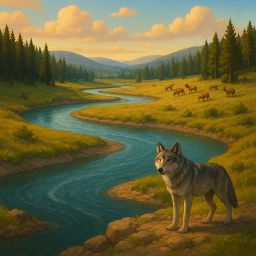
This nib tells the gripping story of how fourteen wolves transformed the physical geography of Yellowstone National Park. You will discover the "landscape of fear," a fascinating concept where the mere presence of a predator changes how other animals behave, allowing overgrazed forests to thrive once again. The nib explains the science of trophic cascades, showing how a single change at the top of the food chain creates a domino effect that stabilizes riverbanks and invites diverse wildlife back to the land. By following this journey, you will learn why top predators are vital for a healthy environment and how nature uses invisible webs of cause and effect to repair itself. It is a powerful lesson in how restoring one missing piece can fix an entire broken system.